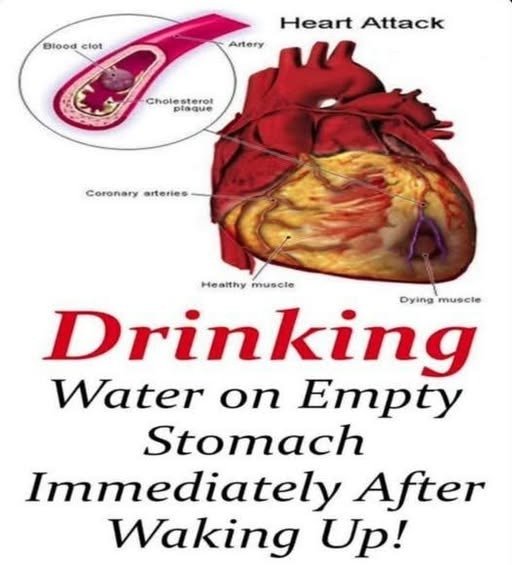
Your body is an incredible communicator, often sending out signals long before a serious problem occurs. When it comes to your heart, paying attention to these subtle whispers can be a lifesaving practice. A heart attack rarely happens out of the blue; in the weeks leading up to an event, your body may activate a series of internal alarms. Recognizing these signs is your first and most powerful line of defense, giving you the crucial time needed to seek medical guidance and potentially prevent a crisis.
One of the most common but overlooked signals is a profound and unexplained fatigue. This isn’t the normal tiredness after a long day, but a deep, persistent weariness that doesn’t improve with rest. It happens because your heart, struggling with narrowed arteries, has to work much harder to pump blood. This immense effort drains your entire body of energy, leaving you feeling drowsy and exhausted around the clock. Similarly, you might notice unusual swelling in your feet, ankles, or legs. This swelling, known as edema, can indicate that your heart is failing to pump efficiently, causing fluid to build up in your extremities.
Your respiratory system can also provide critical clues. If you find yourself becoming short of breath during activities you used to handle with ease, it’s a sign to take notice. Your heart and lungs are a tightly connected team; when the heart can’t pump oxygen-rich blood effectively, your lungs suffer, leaving you gasping for air. This may be accompanied by sudden feelings of weakness or dizziness. This isn’t just feeling a little lightheaded; it can be a stark, sudden weakness that makes you feel like you might fall, stemming from reduced blood flow to your brain and muscles.
Perhaps the most direct warnings are feelings of pressure or discomfort in your chest. This might not be the dramatic, crushing pain you see in movies, but a subtle ache, tightness, or fullness that comes and goes. Furthermore, don’t dismiss what seems like a sudden bout of the flu. Many people report experiencing cold-like symptoms—general achiness, clammy skin, and a feeling of being unwell—just days before a heart attack. Your body is diverting its resources, making you more vulnerable and signaling that something is very wrong.
The most important step you can take is to listen. If you or someone you love experiences a cluster of these symptoms, do not wait. View them as a urgent message from your body. Schedule an appointment with your doctor immediately or seek emergency care if symptoms are severe. Early intervention can change everything. By understanding these early warnings, you empower yourself to take control of your heart health and write a different, healthier ending to your story.