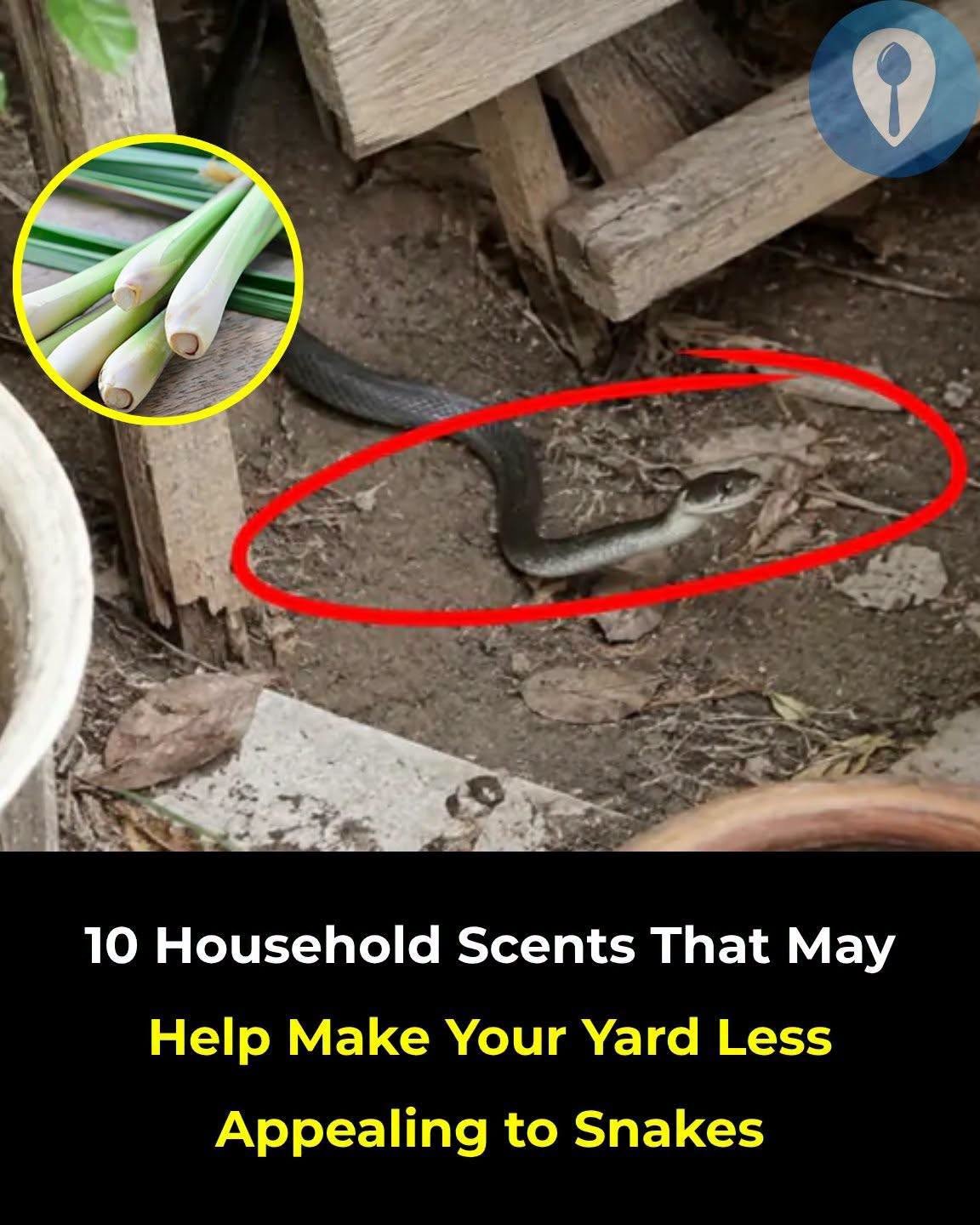
Finding a snake in your yard can be frightening, especially if you have children or pets. Many people turn to strong household scents such as peppermint, cinnamon, garlic, and vinegar in hopes of keeping snakes away. However, scientific evidence that these scents reliably repel snakes is limited, and none should be considered a guaranteed solution.
Snakes usually enter yards in search of food, water, shelter, or suitable places to hide. Properties with rodents, frogs, dense vegetation, and piles of debris can provide ideal conditions. Understanding what attracts snakes is often more useful than trying to make the yard smell unpleasant.
1\. Peppermint: Peppermint has a strong aroma and is frequently recommended in homemade pest-control recipes. However, there is insufficient evidence that peppermint alone keeps snakes away. Concentrated essential oils can also be hazardous to pets if used improperly.
2\. Cinnamon and cloves: Both spices contain aromatic compounds that create distinctive smells. They are sometimes promoted as natural deterrents, but their effectiveness against snakes has not been reliably established.
3\. Garlic and onions: These plants contain sulfur compounds responsible for their characteristic odors. Although they frequently appear in online snake-repellent recipes, scattering them around a garden does not create a dependable barrier.
4\. Vinegar and citrus: Vinegar, lemon peels, and orange peels are also popular household suggestions. However, outdoor conditions quickly weaken their odors, and vinegar can damage plants when applied improperly.
5\. Lemongrass and eucalyptus: Both have strong aromatic scents and can be useful plants for landscaping. Nevertheless, there is no strong evidence that growing them will reliably prevent snakes from entering your property. Concentrated eucalyptus oils should also be kept away from pets and children.
6\. Ammonia: Although sometimes suggested online, ammonia is not a safe, dependable snake-control method. Its fumes can irritate the respiratory system and eyes, and it must never be mixed with bleach because dangerous gases can form.
Instead of relying on scents, focus on removing what attracts snakes. Keep grass short, trim dense vegetation, organize woodpiles, remove garden debris, and seal gaps around buildings. Store garbage securely and avoid leaving pet food or spilled birdseed outside, since these can attract rodents that snakes hunt.
If you encounter a snake, keep your distance and never attempt to handle or kill it. Most snakes prefer to avoid people, but some can bite when threatened. Keep children and pets away, and contact a qualified local wildlife professional if the snake is inside your home or poses a safety concern.
Ultimately, the most reliable way to make your yard less attractive to snakes is to reduce food sources, hiding places, and easy access to buildings. Strong smells and supposedly repellent plants may sound appealing, but they should never replace practical prevention and safe handling.