Professional Tips for Maintaining Prescription Glasses and Extending Eyewear Lifespan
Understanding the Importance of Proper Eyeglass Care
For the millions of Americans who depend on prescription eyeglasses daily, maintaining clear, scratch-free lenses directly impacts vision quality, eye health, and overall quality of life. Scratched lenses not only compromise visual clarity but can also cause eye strain, headaches, and reduced effectiveness of corrective vision. Understanding proper eyeglass maintenance techniques helps extend the lifespan of expensive eyewear investments while ensuring optimal vision correction.
According to vision care professionals, most eyeglass wearers will eventually encounter lens scratches despite careful handling. While professional lens replacement remains the most effective solution for severely damaged lenses, several home maintenance methods can address minor surface scratches and restore visual clarity for everyday wear.
This comprehensive guide explores traditional eyeglass care methods, proper cleaning techniques, scratch prevention strategies, and when to seek professional optician services for lens repair or replacement.Shop Eyeglasses
The Cost of Eyeglass Replacement: Why Maintenance Matters
Understanding the financial implications of eyeglass care motivates proper maintenance habits:
Average replacement costs:
Basic prescription lenses: $200-$400 per pair
Progressive or bifocal lenses: $300-$700 per pair
High-index lenses for strong prescriptions: $400-$800 per pair
Designer frames: $200-$600
Specialty coatings (anti-reflective, blue light filtering): Additional $50-$150
Insurance considerations:
Many vision insurance plans limit coverage to one pair every 1-2 years
Deductibles and copays still result in significant out-of-pocket expenses
Scratch damage is typically not covered under standard vision insurance policies
Total annual costs:
Americans spend approximately $15 billion annually on prescription eyeglasses
Average eyeglass wearer replaces glasses every 2-3 years
Proper maintenance can extend eyewear lifespan by 1-2 years, saving hundreds of dollars
These financial realities make learning effective maintenance techniques valuable for budget-conscious consumers seeking to maximize their eyewear investment.
Traditional Home Method: The Toothpaste Technique
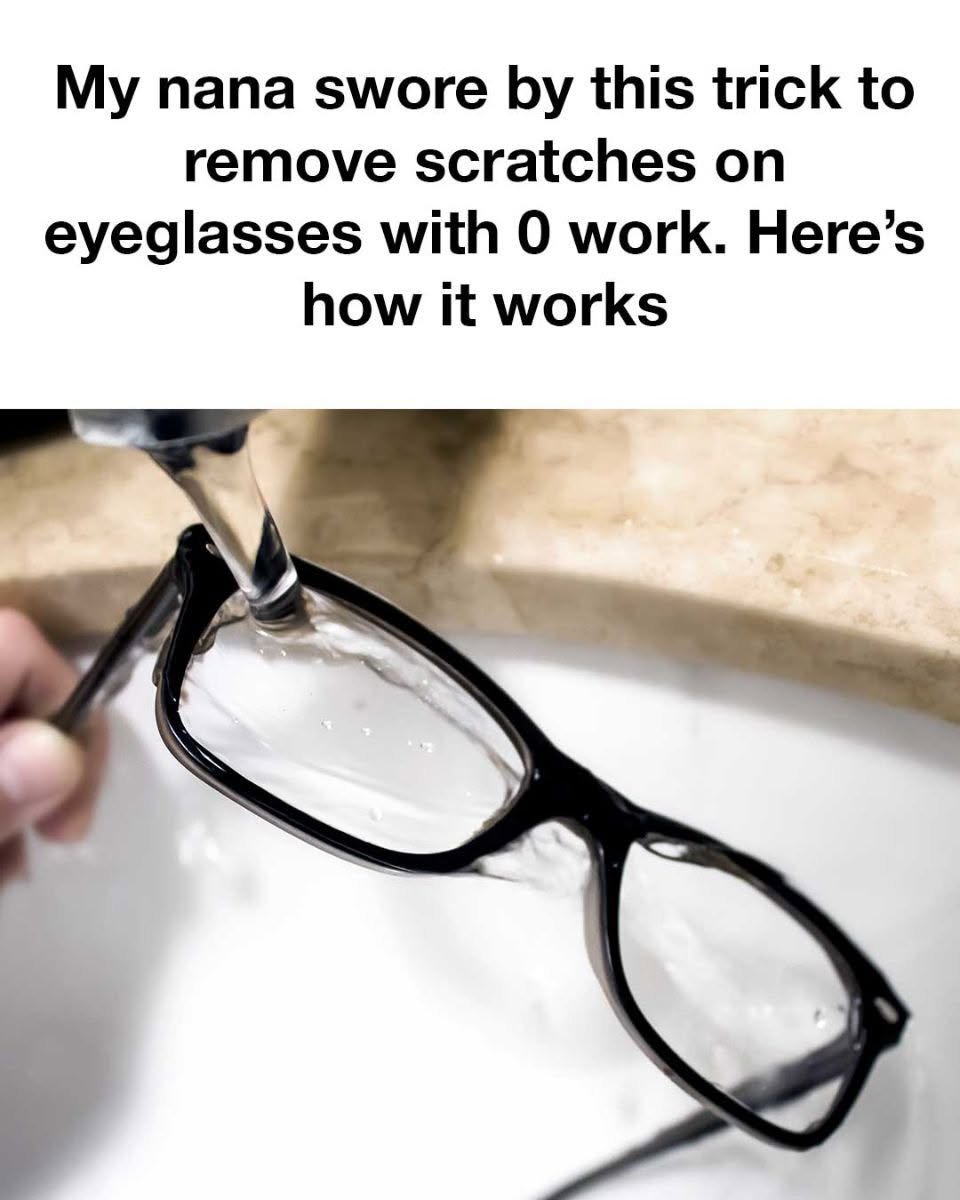
One widely shared home remedy for addressing minor lens scratches involves using common household toothpaste as a mild polishing compound. This method has been passed through generations as a cost-effective approach to eyeglass maintenance.
Polycarbonate lenses: More susceptible to coating damage
High-index lenses: Delicate coatings may be compromised
Glass lenses: More tolerant of mild abrasives but rare in modern eyewear
Plastic (CR-39) lenses: Moderate tolerance but coating damage remains a risk
When to avoid this method:
Lenses with premium anti-reflective coatings
Prescription sunglasses with specialized tinting
Progressive or bifocal lenses with complex surface geometries
Lenses under warranty (may void coverage)
Deep scratches that have penetrated lens material
Alternative Home Remedies: Comparative Analysis
Various other home remedies circulate for addressing lens scratches, each with specific advantages and disadvantages:Shop Eyeglasses
Baking Soda Paste Method
Preparation: Mix baking soda with water to create thick paste consistency
Discover more
Study Anatomy
Order Contacts
Get Health Tips
Application: Similar buffing technique as toothpaste method
Advantages:
More natural, fewer chemical additives than toothpaste
Controllable abrasiveness through water ratio adjustment
Commonly available household item
Disadvantages:
Still risks coating damage
Requires proper consistency for effectiveness
May be more abrasive than toothpaste depending on mixing
Commercial Scratch Removal Products
Product types:
Plastic polish compounds designed for eyewear
Specialized lens scratch fillers
Professional-grade buffing compounds
Advantages:
Specifically formulated for optical applications
May include coating protection ingredients
Professional-grade options available
Disadvantages:
Additional purchase expense ($10-$30)
May still void lens warranties
Effectiveness varies by product and scratch severity
Some products designed for specific lens materials only
Brass or Metal Polish
Application: Same buffing technique with metal polish products
Discover more
Learn Math
Find Study Aids
Learn a Language
Strong recommendation against: Opticians strongly advise avoiding metal polishes on eyeglass lenses due to:Order Contacts
Excessive abrasiveness damaging lens material
Harsh chemicals incompatible with lens coatings
High risk of creating additional scratches
Potential eye safety hazards from residue
Professional Solutions: When to Consult an Optician
For many lens scratch situations, professional optician services provide the most effective and safest solutions:
Professional Lens Polishing Services
Process overview:
Opticians use specialized equipment to professionally polish lenses
Controlled polishing removes minimal material while smoothing scratches
May require coating reapplication after polishing
Cost considerations:
Professional polishing: $20-$50 per lens
More economical than full lens replacement
May not be available for all lens types
Effectiveness:
Successfully addresses minor to moderate surface scratches
Cannot repair deep scratches penetrating lens material
Results depend on scratch depth and lens condition
Lens Replacement Options
When replacement is necessary:
Deep scratches affecting central vision area
Multiple scratches compromising overall visual clarity
Coating damage beyond repair
Scratches on progressive or specialty lenses
Insurance coverage:
Check vision insurance policy for replacement coverage
Some plans offer scratch replacement benefits
Flexible Spending Account (FSA) or Health Savings Account (HSA) funds may apply
Replacement timeline:
Standard lenses: 1-2 weeks
Specialty prescriptions: 2-4 weeks
Rush services available at additional cost
Comprehensive Scratch Prevention Strategies
Preventing scratches represents the most effective approach to maintaining clear lenses and extending eyewear lifespan:Shop Eyeglasses
Proper Storage Practices
Protective cases:
Always store eyeglasses in hard-shell protective case when not in use
Keep case in consistent location to establish routine
Consider multiple cases for different locations (car, office, bedside)
Replace damaged cases immediately
Storage location considerations:
Avoid high-traffic areas where glasses might be knocked over
Keep away from children and pets who might handle them
Don’t store in bathrooms where humidity can damage coatings
Avoid extreme temperatures (car dashboard, windowsills)
Proper Cleaning Techniques
Daily cleaning routine:
Use microfiber cloth specifically designed for eyeglass cleaning
Apply lens cleaning solution or spray before wiping
Clean both sides of lenses and frame
Perform gentle cleaning motion without excessive pressure
What to avoid:
Never use paper towels, tissues, or regular cloths (cause micro-scratches)
Avoid clothing fabric for cleaning (abrasive fibers damage coatings)
Don’t use window cleaners or household cleaning products
Never clean dry lenses without solution (particles cause scratching)
Recommended cleaning products:
Commercial lens cleaning solutions
Pre-moistened lens cleaning wipes
Gentle dish soap diluted with water (rinse thoroughly)
Dedicated ultrasonic jewelry cleaners for deep frame cleaning
Handling Best Practices
Proper handling technique:Learn Math
Hold glasses by frame temples, not by lenses
Use both hands when putting on or removing glasses
Set glasses down with lenses facing upward
Avoid resting glasses on top of head (stretches frames)
Activity considerations:
Remove glasses during sports or physical activities
Consider sports-specific prescription eyewear for active lifestyles
Use eyeglass straps or retainers during activities
Keep spare pair available for high-risk situations
Regular Maintenance Schedule
Weekly maintenance:
Deep clean frames and nose pads with lens solution
Inspect screws and tighten if necessary
Check for coating deterioration or early scratch development
Clean case interior to remove dust and debris
Monthly professional checks:
Visit optician for frame adjustment and alignment
Professional cleaning of hard-to-reach areas
Screw tightening and hinge lubrication
Early detection of developing problems
Annual considerations:
Comprehensive frame and lens condition assessment
Evaluate whether prescription update is needed
Consider protective coating reapplication if available
Assess whether frame replacement is cost-effective
Understanding Lens Coatings and Materials
Modern eyeglass lenses incorporate sophisticated technologies that require specific care approaches:Shop Eyeglasses
Common Lens Coating Types
Anti-reflective (AR) coatings:
Reduce glare from screens, headlights, and bright lights
Improve appearance by eliminating reflections
Most delicate coating requiring careful maintenance
Typically have 1-2 year warranty period
Scratch-resistant coatings:
Hard coating on lens surface increases durability
Not scratch-proof, only scratch-resistant
Effectiveness varies by manufacturer and price point
Premium versions offer superior protection
UV protection coatings:
Block harmful ultraviolet radiation
Important for long-term eye health
Standard on most modern lenses
Critical for outdoor eyewear
Blue light filtering coatings:
Reduce exposure to high-energy visible blue light
May reduce digital eye strain
Popular for computer and device users
Slight yellow tint on some versions
Hydrophobic coatings:
Repel water, oil, and fingerprints
Make cleaning easier and more effective
Often combined with anti-reflective coatings
Premium feature on higher-end lenses
Lens Material Options
Polycarbonate lenses:Shop Eyeglasses
Impact-resistant, ideal for children and active lifestyles
Lighter weight than standard plastic
Built-in UV protection
More susceptible to scratches without coating
High-index lenses:
Thinner and lighter for strong prescriptions
Premium pricing
Multiple index options (1.60, 1.67, 1.74)
Require careful handling due to specialized coatings
Trivex lenses:
Similar benefits to polycarbonate
Superior optical clarity
Excellent impact resistance
Higher cost than standard options
CR-39 plastic lenses:Shop Eyeglasses
Traditional plastic lens material
Excellent optical quality
Heavier than modern alternatives
Good scratch resistance with coating
Vision Insurance and Eyewear Benefits
Understanding vision insurance coverage helps maximize eyewear benefits and minimize out-of-pocket expenses:
Typical Vision Insurance Coverage
Standard benefits:
Eye examination: Covered annually or biannually
Lens coverage: $100-$200 allowance every 1-2 years
Frame coverage: $75-$150 allowance every 1-2 years
Contact lens allowance as alternative to glasses
Premium plan features:
Higher lens and frame allowances
More frequent replacement coverage
Scratch replacement benefits
Discounts on additional pairs
Out-of-network benefits:
Reimbursement for purchases outside network
Typically lower reimbursement amounts
Requires claim submission with receipts
Maximizing Insurance Benefits
Timing strategies:
Schedule eye exams near beginning of coverage year
Understand exact coverage renewal dates
Use benefits before they expire (non-rolling)
Cost management:
Compare in-network vs. out-of-network costs
Consider separating exam and eyewear purchases to maximize benefits
Ask about package deals that optimize insurance coverage
Additional savings:
FSA/HSA funds can supplement insurance coverage
Employer vision discount programs beyond insurance
Manufacturer rebates on premium lens options
When to Update Your Prescription
Maintaining current prescription ensures optimal vision correction and may reduce eye strain that contributes to poor eyewear handling:Try Brain Games
Signs prescription update needed:
Frequent headaches, especially after reading or screen time
Eye strain or fatigue
Squinting to see clearly
Blurred vision at any distance
Halos around lights or difficulty with night driving
Recommended exam frequency:
Adults 18-60: Every two years minimum
Adults over 60: Annually
Children: Annually during school years
Anyone with diabetes or eye conditions: As recommended by eye doctor
Prescription changes and eyewear:
New prescription often motivates eyewear replacement
Opportunity to upgrade to improved lens technology
Consider backup pair with old prescription for specific uses
Eyeglass Care for Special Populations
Different groups have specific eyewear maintenance needs:
Children’s Eyewear
Durability requirements:
More durable frame materials (flexible plastics)
Polycarbonate lenses for impact resistance
Spring hinges to withstand rough handling
Warranty programs for growing children
Maintenance challenges:
Teaching proper care habits early
More frequent frame adjustments due to growth
Higher likelihood of loss or damage
Need for sports-specific eyewear
Senior Eyewear Needs
Special considerations:
Progressive lenses requiring specific care
Frame weight important for comfort
Easy-to-use cleaning methods
Regular professional cleaning and adjustment
Mobility concerns:
Backup pairs essential for daily function
Large, easy-to-find storage cases
Non-slip temple tips for security
Simplified cleaning routines
Occupational Eyewear
Computer users:
Blue light filtering considerations
Anti-reflective coatings essential
Dedicated computer glasses vs. progressive lenses
Regular cleaning critical for screen work
Outdoor workers:
Scratch-resistant coatings crucial
UV protection essential
Polarized options for glare reduction
Durable frame construction
Sustainable Eyewear Practices
Environmental consciousness extends to eyewear care and disposal:
Extending eyewear life:
Proper maintenance reduces replacement frequency
Repairs and adjustments preferable to replacement
Quality purchases last longer than budget options
Responsible disposal:
Donate old prescription glasses to charitable organizations
Lions Club International collects used eyewear globally
OneSight and New Eyes programs distribute glasses to those in need
Recycling programs for frames and lenses
Eco-friendly options:
Sustainable frame materials (recycled plastics, bamboo, wood)
Companies offering lens replacement without full frame replacement
Repair services extending frame life
Conclusion: Comprehensive Eyeglass Care Strategy
Maintaining clear, functional eyeglasses requires balancing home care techniques, professional services, and preventive practices:Shop Eyeglasses
Key maintenance principles:
Prevention first: Proper storage, handling, and cleaning prevent most scratches
Gentle cleaning: Use appropriate tools and solutions designed for coated lenses
Professional consultation: Seek optician advice for significant scratches or damage
Coating awareness: Understand lens coatings on your specific eyewear before attempting home remedies
Insurance optimization: Maximize vision benefits through strategic timing and understanding coverage
Regular maintenance: Establish consistent care routines and professional check-ups
Quality investment: Higher-quality lenses and coatings often prove more cost-effective long-term
Final recommendations:
While home remedies like the toothpaste method may provide temporary improvement for minor surface scratches on older, uncoated lenses, modern eyewear with sophisticated coatings requires more careful consideration. The risk of coating damage often outweighs potential benefits for treating minor scratches.
For most eyeglass wearers, the optimal approach combines:
Diligent scratch prevention through proper care habits
Professional cleaning and maintenance services
Timely consultation with opticians for scratch assessment
Appropriate use of insurance benefits for lens replacement when necessary
Investment in quality scratch-resistant coatings for new eyewear
Remember that clear vision directly impacts daily quality of life, safety (particularly driving), work productivity, and overall well-being. When scratches significantly compromise vision quality, professional lens replacement represents the safest and most effective solution—one that protects both your vision health and your valuable eyewear investment.
Required Materials
Primary supplies:
Non-abrasive white toothpaste (not gel formulas)
Soft, lint-free microfiber cloth
Lukewarm water
Clean, dry microfiber cloth for finishing
Material considerations:
Avoid toothpaste with whitening agents, which may be too abrasive
Use dedicated microfiber cloths designed for lens cleaning
Ensure water temperature is lukewarm, not hot, to avoid coating damage
Step-by-Step Application Process
Preparation phase:
Clean lenses thoroughly with lens cleaner to remove dirt and oils
Inspect scratches in good lighting to assess severity
Gather all materials before beginning the process
Application technique:
Apply small amount (pea-sized) of non-abrasive toothpaste to scratched lens area
Use soft microfiber cloth to gently buff toothpaste in circular motions
Continue buffing for approximately 10-15 seconds with light pressure
Avoid excessive pressure that could damage lens coatings
Rinsing and finishing:
Rinse lens thoroughly with lukewarm water to remove all toothpaste residue
Inspect for remaining toothpaste in frame crevices
Pat dry with clean, dry microfiber cloth
Examine results and repeat if necessary for persistent scratches
Important Limitations and Warnings
Coating concerns:
Modern eyeglass lenses typically feature multiple specialized coatings including:Shop Eyeglasses
Anti-reflective (AR) coatings that reduce glare
Scratch-resistant hard coatings
UV protection layers
Blue light filtering coatings
Hydrophobic (water-repellent) coatings
Critical warning: The toothpaste method may damage or remove these specialized coatings, potentially causing more harm than the original scratch. Many opticians and lens manufacturers specifically advise against using toothpaste on modern coated lenses.