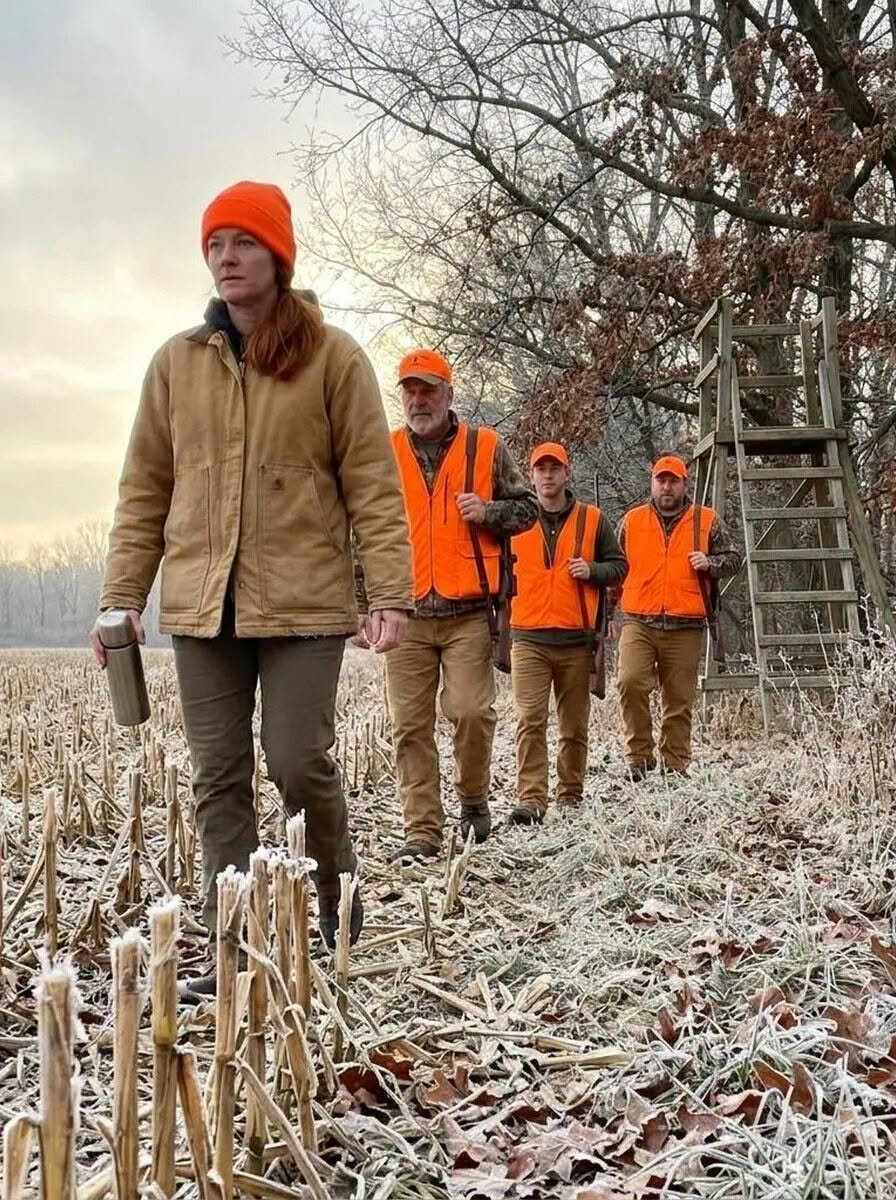
The 80 acres near Elk Mound, Wisconsin belonged solely to a woman who had inherited them from her late grandfather, who had always let veterans hunt there free of charge. The land, valued at about $640,000, became the centre of a bitter dispute when she discovered her ex-husband had been selling hunting rights to it.
Her ex-husband had forged her signature on a hunting lease and collected $4,000 per season from three friends over three seasons — $12,000 in total — falsely claiming he still controlled the property. On her lawyer’s advice about liability, she posted no-trespassing signs, revoked her ex-husband’s access in writing, and removed his unsafe hunting stands.
She then invited three Army veterans she had met at a church gathering to hunt the ridge free for the whole season. On opening morning, her ex-husband’s friends arrived carrying the forged lease — but once it was exposed, they left. A conservation warden cited her ex-husband for trespass and sent the evidence to the district attorney, while the friends filed small-claims cases to recover their money.
Her ex-husband repaid the full $12,000, selling his bass boat to do so, accepted a deferred prosecution agreement, and later sent an apology letter that went unanswered. The following season, one of the friends — himself an Army Desert Storm veteran — returned with three more veterans, and she led them in herself, continuing her grandfather’s tradition of free access for veterans.