# The Hidden Smile in the Coca-Cola Logo: A Clever Optical Illusion or Just a Coincidence?
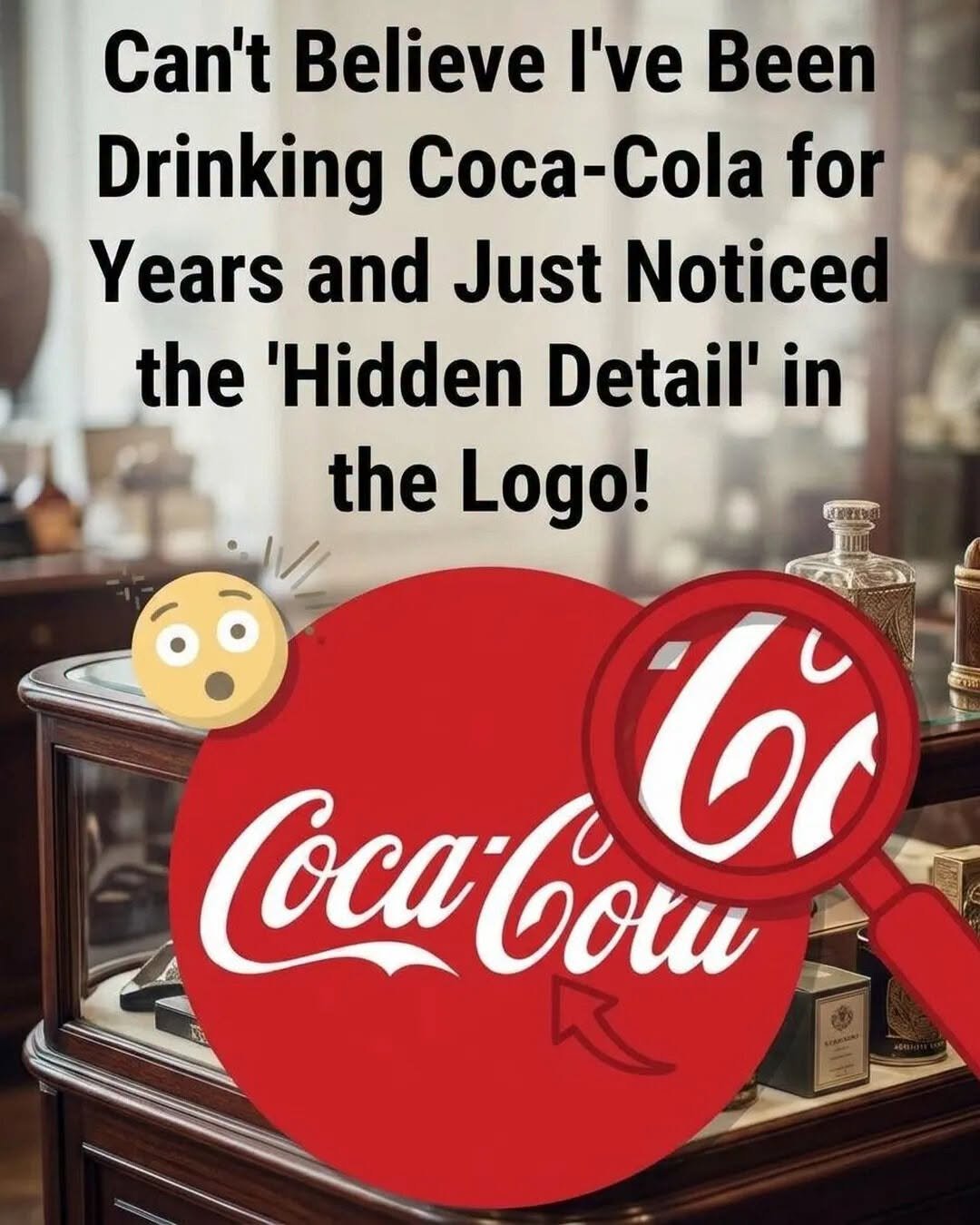
One of the world’s most recognizable brand logos may be hiding a tiny detail that many people have never noticed. For generations, millions of people have seen the familiar Coca-Cola lettering on bottles, cans, advertisements, and restaurant signs. Yet some observers believe there is something unexpected hidden within its famous flowing script: what looks like a small, friendly smile.
The Coca-Cola logo is known for its distinctive Spencerian-style lettering, with elegant curves, sweeping strokes, and connected letters. Its appearance dates back to 1886, when Frank Mason Robinson, the company’s bookkeeper, suggested the name and wrote it in the distinctive script that would eventually become famous worldwide.
Over the years, the lettering became much more than a way to identify a soft drink. It developed into a powerful symbol associated with happiness, celebrations, nostalgia, and shared moments.
The supposed hidden smile has attracted attention because certain curves and connecting strokes can resemble a cheerful facial expression when viewed from a particular angle. Once someone points it out, it can be difficult not to look for it again.
But is the smile actually intentional?
There is an important distinction between an optical illusion and a confirmed design secret. Coca-Cola’s historical logo development is documented, but there is no established evidence that its original designer deliberately incorporated a hidden smile into the lettering.
That doesn’t make the observation any less interesting. Our brains naturally search for familiar patterns, especially faces and expressions. This tendency, known as pareidolia, explains why ordinary shapes, clouds, and even letters can suddenly appear to have eyes, faces, or smiles.
Perhaps that is part of the logo’s lasting fascination: a design created more than a century ago continues to invite people to look closer.
Sometimes, the smallest details are the ones that make an ordinary object feel extraordinary. And the next time you see that familiar red-and-white logo, you might find yourself examining its curves a little more carefully.