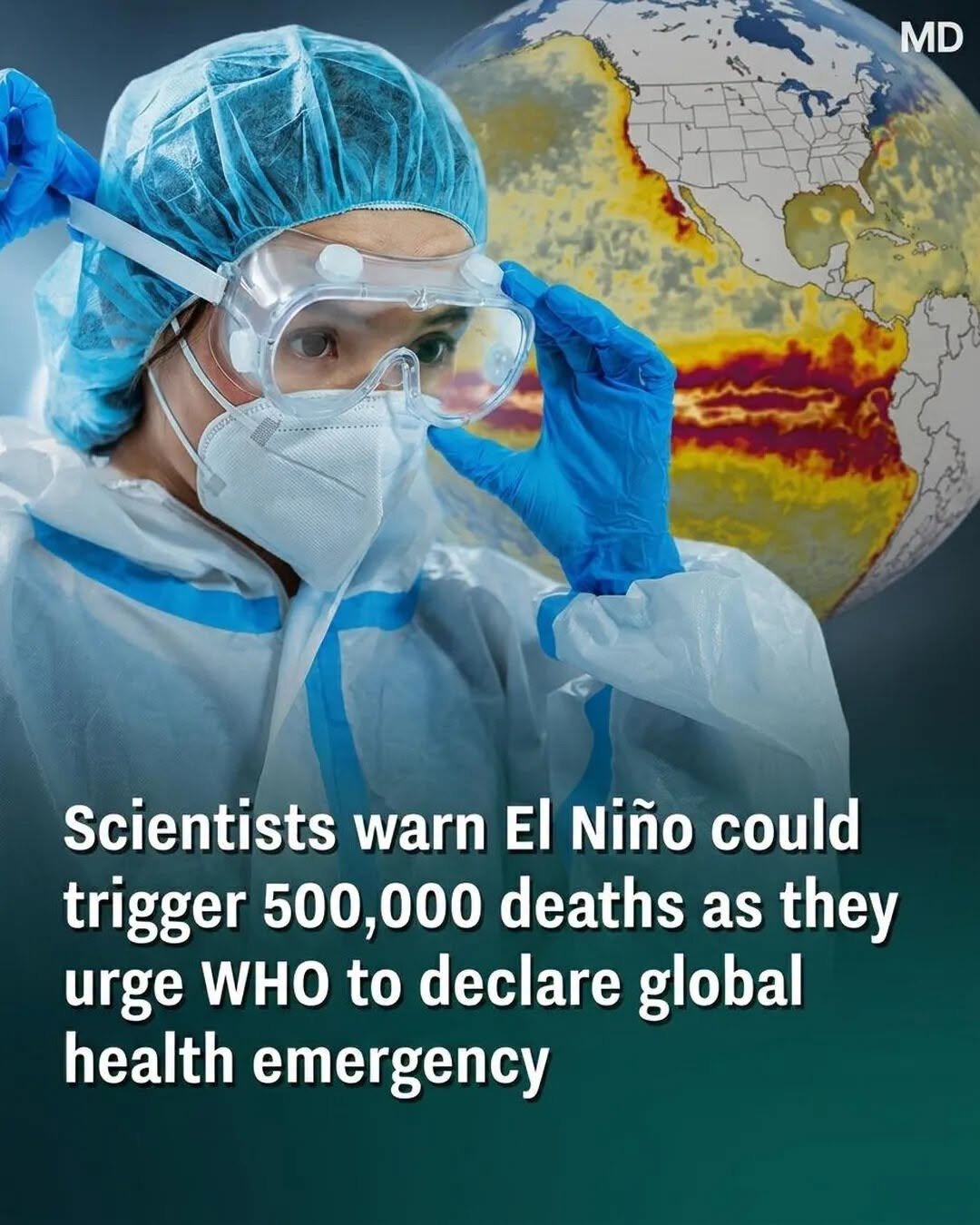
Most people think of El Niño as nothing more than a harmless weather forecast buzzword. Yet top American researchers are now sounding the alarm over a hidden danger that could disrupt everyday family life. Behind closed doors, leading epidemiologists are urging the World Health Organization to take immediate, unprecedented action before it is too late.
Dr. Colin Carlson, a prominent epidemiology professor at Yale University, recently revealed an unexpected twist in how we view seasonal climate shifts. Far from being a minor temperature bump, his analysis warns of a life-changing global health crisis that could rival major historical outbreaks. The combination of record-breaking heat and secondary health risks threatens vulnerable communities, local economies, and personal financial stability worldwide.
While officials track warming Pacific waters, researchers at the University of Chicago uncovered a startling projection for the months between June 2026 and February 2027. What exact toll are these scientists predicting—and why are world leaders being told to treat this weather pattern like a full-scale medical emergency?
According to the Climate Impact Lab at the University of Chicago, the current El Niño cycle could trigger up to 451,000 excess fatalities globally. Report author Michael Greenstone emphasized that this staggering figure represents real parents, children, and neighbors simply trying to work and care for their households. Alongside dangerous heatwaves, Dr. Carlson noted that shifting weather patterns frequently spark widespread outbreaks of dengue fever, cholera, and other preventable illnesses.
The World Meteorological Organization has echoed these urgent concerns, confirming that the last four years have been the hottest ever recorded. Secretary-General Celeste Saulo explained that El Niño does not create brand-new warmth, but instead acts as a powerful risk multiplier by releasing trapped heat from record-warm oceans. Because the oceans hold more thermal energy than ever before, weather systems are becoming noticeably more intense well into 2027.
United Nations climate chief Simon Stiell also addressed the escalating situation this week, describing the extreme weather trajectory as a major public health challenge. By officially classifying El Niño as a global health emergency, scientists hope governments will unlock critical healthcare funding and disaster preparedness resources. Preparing local medical systems and protecting vulnerable families now could dramatically reduce the human and economic impact in the months ahead.