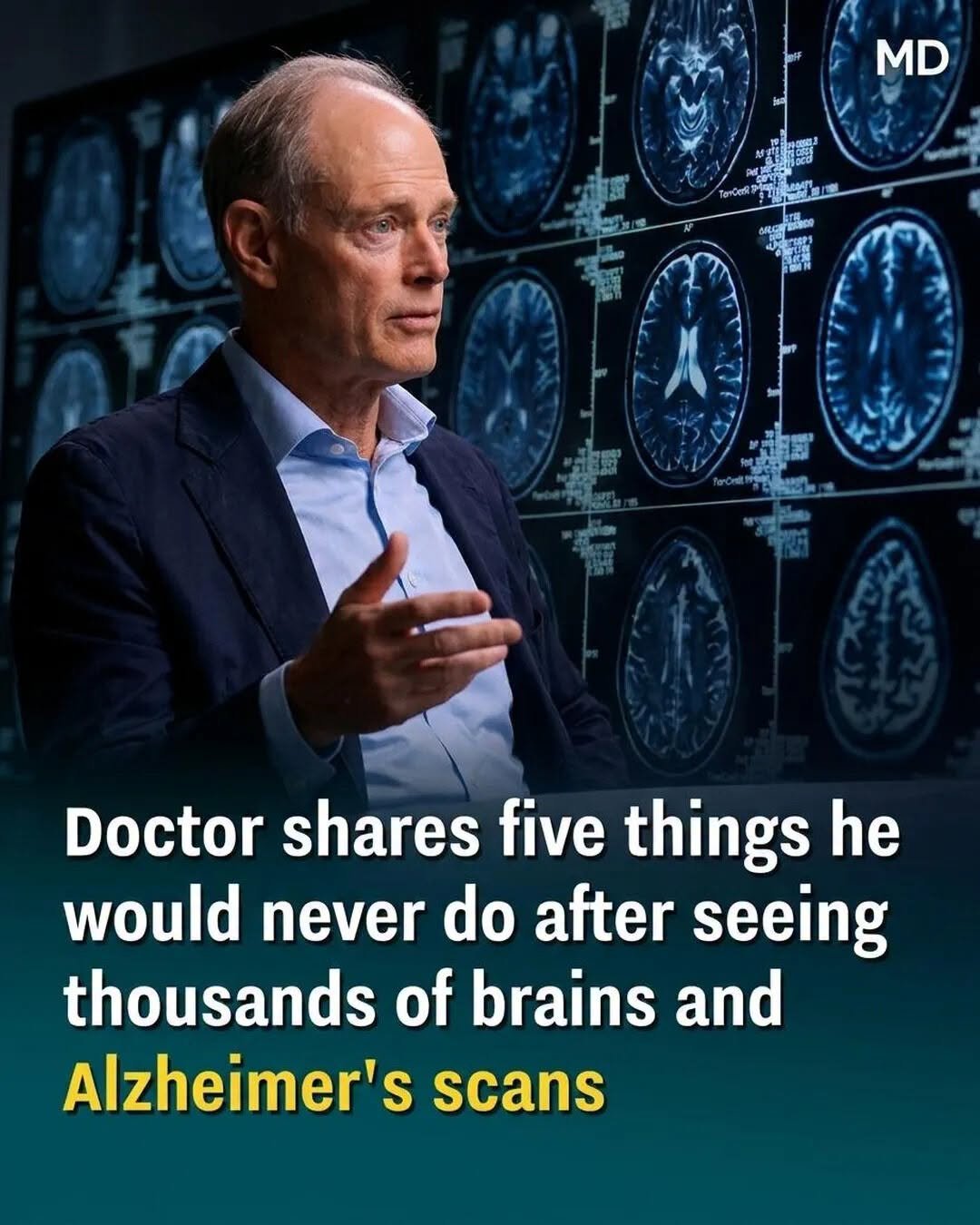
Most Americans believe memory loss is purely written in their DNA—and they’re dead wrong. After watching his own father battle Alzheimer’s disease and examining thousands of brain scans, pioneering neurologist Dr. David Perlmutter is sounding an urgent alarm. He insists that while genetics may load the gun, our everyday lifestyle choices are what actually pull the trigger.
During a candid appearance on The Diary of a CEO podcast, Dr. Perlmutter challenged the widespread myth that cognitive decline is unavoidable. Calling Alzheimer’s the third leading cause of death in the United States, he explained that brain health is far more controllable than most families realize. Yet every single day, millions of people unknowingly engage in routine behaviors that quietly accelerate inflammation and memory loss.
To help Americans protect their minds before it is too late, Dr. Perlmutter exposed the five specific habits he strictly avoids—including one common nighttime mistake that stops your brain from clearing out toxic waste.
First on Dr. Perlmutter’s list is living a sedentary lifestyle, which he ranks as the number one threat to long-term brain health. Regular physical movement acts like a multi-tool for the mind, improving blood flow, regulating insulin, and calming dangerous inflammation, whereas sitting for ten or more hours daily significantly raises dementia risk. Second, he warns against social isolation, noting that meaningful human connection boosts oxytocin—a vital hormone that keeps protective brain immune cells from turning destructive.
Third, the neurologist urges Americans to prioritize restorative, high-quality sleep rather than treating rest as optional. Deep sleep activates the brain’s glymphatic system, acting like a nightly cleanup crew that flushes out cellular waste while consolidating daily memories. Fourth, Dr. Perlmutter stresses avoiding added sugar and ultra-processed foods, which now make up nearly 75 percent of the US food supply and have been linked to silent strokes in middle-aged adults.
Finally, he cautions younger generations against relying solely on future prescription medications to rescue their health later in life. Taking proactive, life-changing steps today—through daily movement, nutritious whole foods, strong relationships, and consistent sleep—remains the most powerful defense for protecting your brain for decades to come.