
In early 2025, the Trump administration enacted a new federal prison policy that has sparked widespread controversy, legal challenges, and intense public debate. The policy, which mandates that inmates be housed based on their sex assigned at birth, has significant implications for transgender individuals in the U.S. prison system. The policy stipulates that transgender women, who were previously housed in women’s prisons, could now be transferred to men’s facilities if their sex assigned at birth was male. This policy, in addition to changing the way prisoners are housed, also affects access to crucial medical services and support for transgender inmates.
The rule, introduced by the Department of Justice, aims to provide a standardized approach to the housing of incarcerated individuals. However, it has raised concerns among advocacy groups, legal experts, and human rights organizations about its potential to exacerbate discrimination and harm vulnerable populations within the prison system. In this article, we will explore the implications of this new policy, the legal challenges it has sparked, and the ethical questions it raises about how we treat transgender individuals within the criminal justice system.

The Policy Explained
The primary provision of the new policy is the requirement that individuals be placed in federal prisons based on their sex assigned at birth rather than their gender identity. In practice, this means that transgender women—who are biologically male but identify as women—could be transferred to men’s prisons, potentially placing them in environments where they may face heightened risks of abuse, harassment, and violence.
The policy also impacts transgender inmates’ access to medical care. For example, the new guidelines could restrict transgender women’s access to hormone replacement therapy (HRT) and other medical services that are essential to their health and well-being. Prior to this policy change, some transgender women were allowed to receive gender-affirming care while incarcerated, but under the new rules, their access to these services could be significantly limited or outright denied.
Supporters of the policy argue that it is necessary for maintaining safety and security within correctional facilities. They claim that it is important to keep male and female prisoners separated in order to prevent violence and ensure the safety of all inmates. However, critics argue that the policy fails to take into account the unique needs and vulnerabilities of transgender individuals, particularly transgender women, who are often at greater risk of assault and mistreatment in men’s prisons.
Legal Challenges
Almost immediately after the policy was announced, advocacy groups, including the American Civil Liberties Union (ACLU) and Lambda Legal, filed lawsuits challenging the rule. These organizations argue that the policy is discriminatory and violates the constitutional rights of transgender individuals, including the right to be free from cruel and unusual punishment.
One of the key legal arguments is that the policy violates the Eighth Amendment’s prohibition against cruel and unusual punishment. Advocates for transgender rights argue that placing transgender women in men’s prisons exposes them to a significantly higher risk of physical and sexual violence. Studies have shown that transgender individuals, particularly transgender women, face disproportionately high rates of assault and harassment in male-dominated spaces.
In response to these legal challenges, federal judges have temporarily blocked some of the policy’s provisions. As a result, some transgender women have been allowed to remain in women’s prisons, and certain transfers to men’s facilities have been halted. However, the legal battles continue, and the policy’s ultimate fate remains uncertain.

Impact on Transgender Inmates
The policy has already begun to affect transgender inmates across the country, with many facing the possibility of being transferred to men’s prisons despite their gender identity. For some, the threat of being placed in a men’s facility is a source of immense fear, as they know that they will be vulnerable to physical and emotional abuse from both staff and other inmates.
Transgender women, in particular, are often subject to harassment and violence in men’s prisons. This is due to a combination of factors, including the fact that many transgender women have not undergone gender-affirming surgeries and may not “pass” as women in male-dominated environments. In addition, there is often a lack of understanding and sensitivity toward transgender individuals among prison staff, which can exacerbate the risks they face.
The new policy also raises concerns about the mental and physical health of transgender prisoners. Transgender women who are forced to live in men’s prisons may experience significant psychological distress, including anxiety, depression, and post-traumatic stress disorder (PTSD). These mental health challenges can be compounded by the lack of access to gender-affirming medical care, which is essential for the well-being of many transgender individuals.
Ethical Considerations
The implementation of this policy raises several ethical questions about the treatment of transgender individuals in the criminal justice system. One of the primary ethical concerns is the issue of dignity. The policy essentially forces transgender individuals to conform to a binary understanding of gender, which may not align with their gender identity. This can lead to feelings of humiliation, marginalization, and alienation.
Furthermore, the policy fails to take into account the complex and diverse experiences of transgender individuals. Not all transgender women are the same, and their needs in the prison system may vary greatly depending on factors such as their physical appearance, their gender identity, and their history of trauma. A one-size-fits-all approach to housing prisoners based solely on sex assigned at birth does not account for these nuances and risks further stigmatizing transgender individuals.
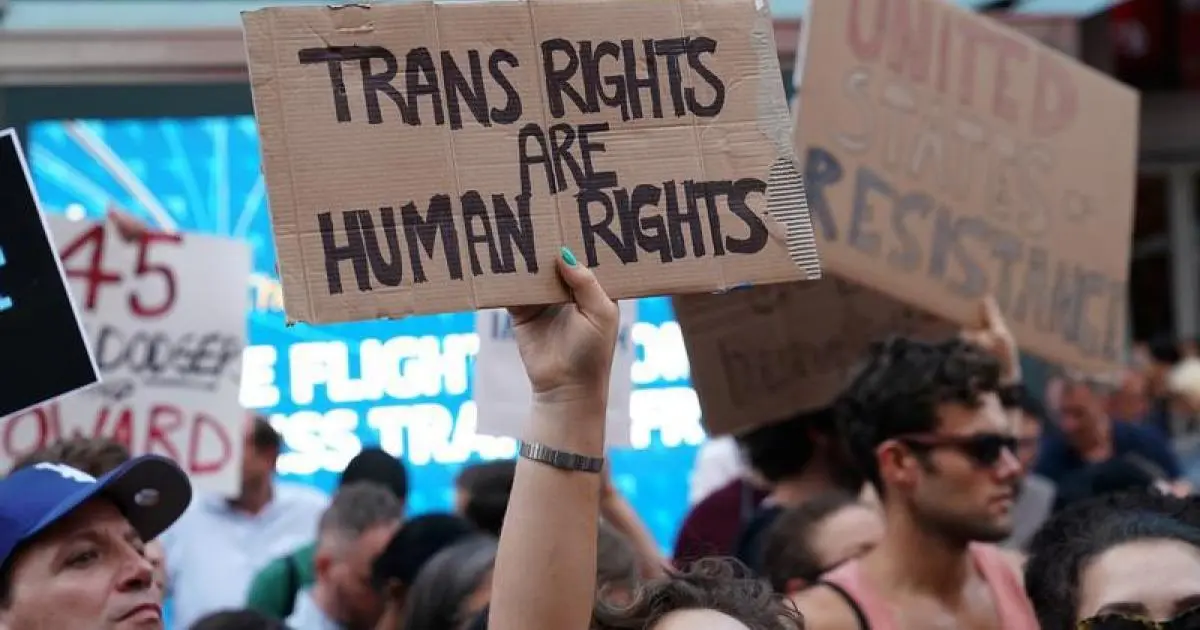
The policy also raises questions about the broader societal context in which it was created. Transgender individuals, particularly transgender women, already face high levels of discrimination, violence, and marginalization. The policy perpetuates this harm by placing transgender women in situations where they are more likely to be victimized. By failing to provide adequate protections for transgender individuals, the policy reinforces harmful stereotypes and contributes to a culture of intolerance.
The Future of the Policy
As the legal challenges to the policy continue, it is unclear what the future holds for this controversial rule. Advocates for transgender rights are hopeful that the courts will ultimately strike down the policy, while those who support it argue that it is necessary for maintaining order and safety in correctional facilities.
In the meantime, transgender individuals in the prison system will continue to face uncertainty and hardship. It is critical that we listen to their voices and experiences and work toward creating a criminal justice system that is inclusive, respectful, and protective of the rights and dignity of all individuals, regardless of their gender identity.

The new federal prison policy mandating that inmates be housed based on their sex assigned at birth has sparked a fierce debate about the rights of transgender individuals in the criminal justice system. While the policy is being challenged in court, its implications for transgender inmates are already being felt, with many facing the prospect of being transferred to facilities where they are at greater risk of harm.
This policy raises important legal and ethical questions about how we treat transgender individuals in society and the criminal justice system. It is essential that we continue to engage in meaningful discussions about the rights of transgender people and work to ensure that they are treated with dignity, respect, and fairness. Ultimately, the goal should be to create a criminal justice system that protects the rights of all individuals, regardless of their gender identity.