Introduction
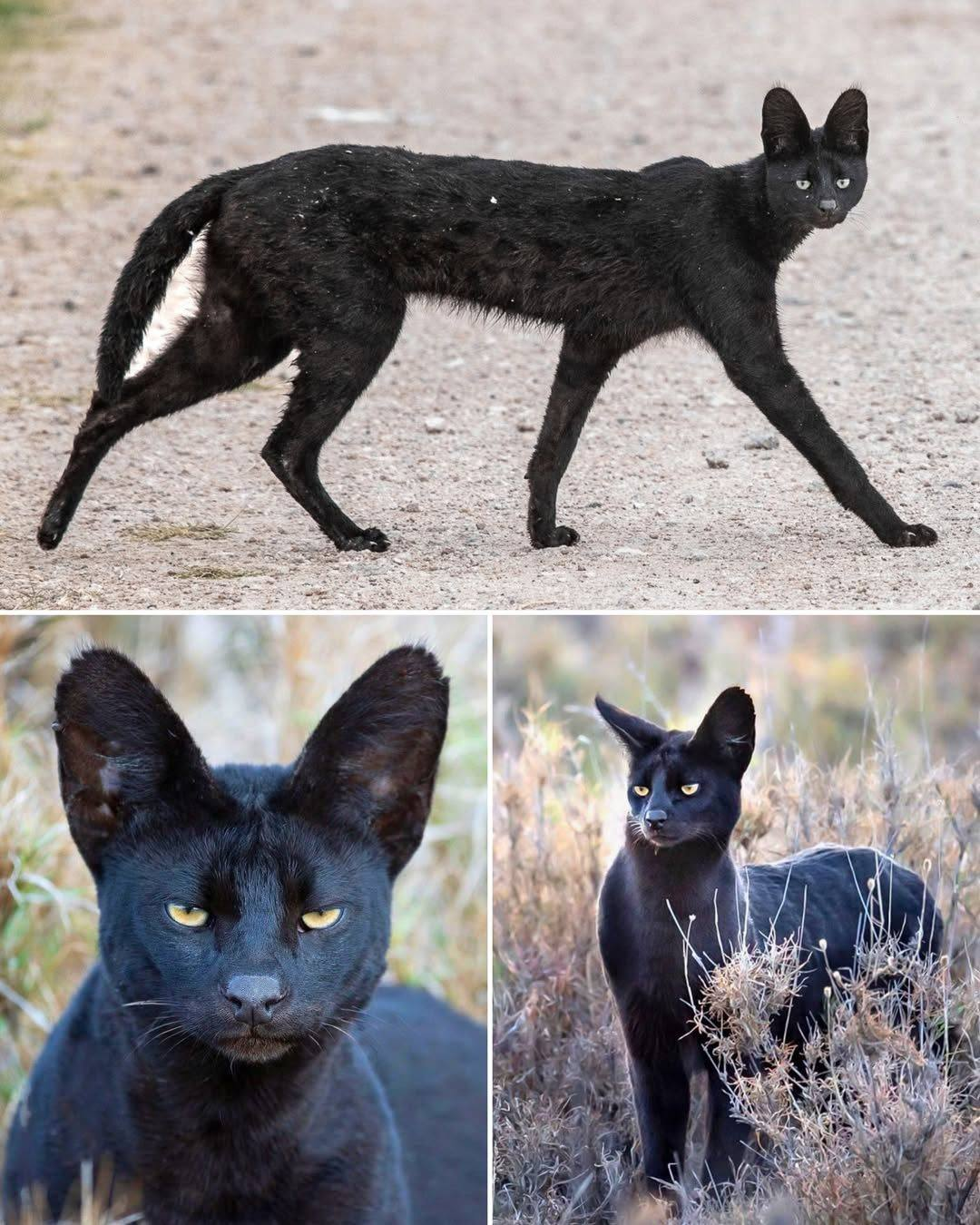
Deep in the heart of Africa, amidst the golden plains and savannas, roams a creature so elusive that even the most seasoned wildlife enthusiasts rarely encounter it. This is the melanistic serval, a striking wildcat whose sleek black coat stands in stark contrast to its more common golden counterpart. The melanistic serval’s beauty and mystery have captured the imaginations of many, but it remains one of the rarest felines on the planet.
Unlike its golden relatives, which are easily recognized by their golden coats with distinct black spots, the melanistic serval is a stunning creature whose fur produces an excess of dark pigment. This gives it a velvety black appearance that is both mesmerizing and otherworldly. These rare cats are not only a sight to behold, but they are also skilled nocturnal hunters that utilize their unique physical traits to stalk and catch prey in the wild.
But how did these rare wildcats come to be, and what makes them so special? This article delves into the life of the black serval, exploring its physical characteristics, habitat, behavior, and the conservation efforts that aim to protect them. Join us as we unravel the mystery of the melanistic serval and why it’s a symbol of the incredible diversity of life in Africa.
Section 1: The Mystique of the Black Serval
What is a Melanistic Serval?
The term “melanism” refers to a genetic condition where an animal produces an excess of dark pigment, resulting in a darker coat color. In the case of the melanistic serval, this results in a completely black fur, rather than the usual golden coat with black spots. While melanistic individuals are relatively rare in many species, they are especially rare in servals.
Servals are a type of wildcat found in sub-Saharan Africa, known for their long legs, large ears, and striking golden coat with black spots. However, the melanistic serval is a rare variation of the species, making it an extremely elusive and fascinating subject of wildlife studies.
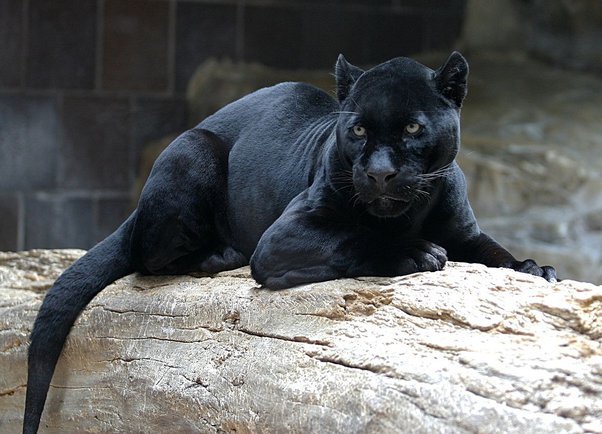
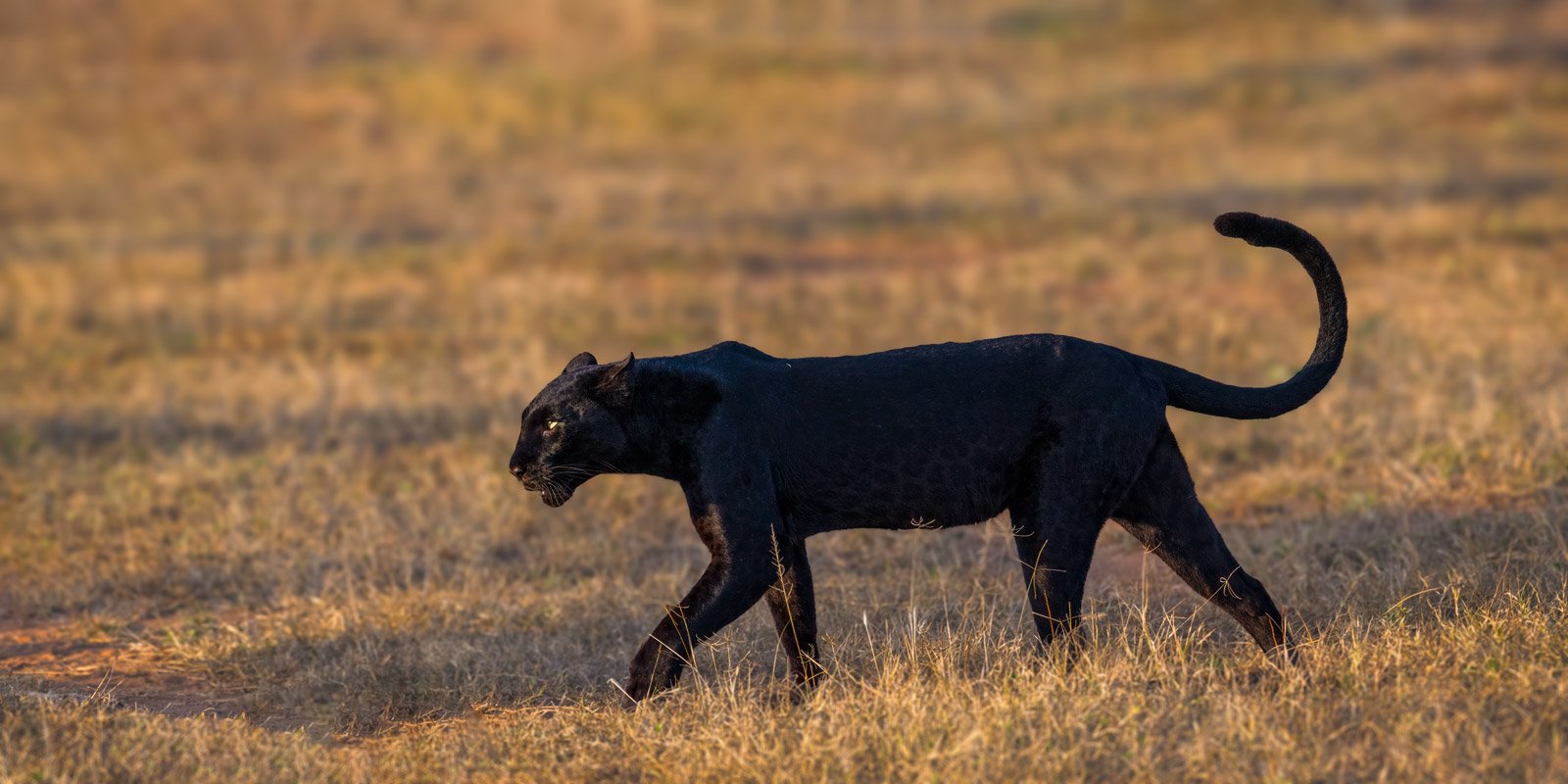
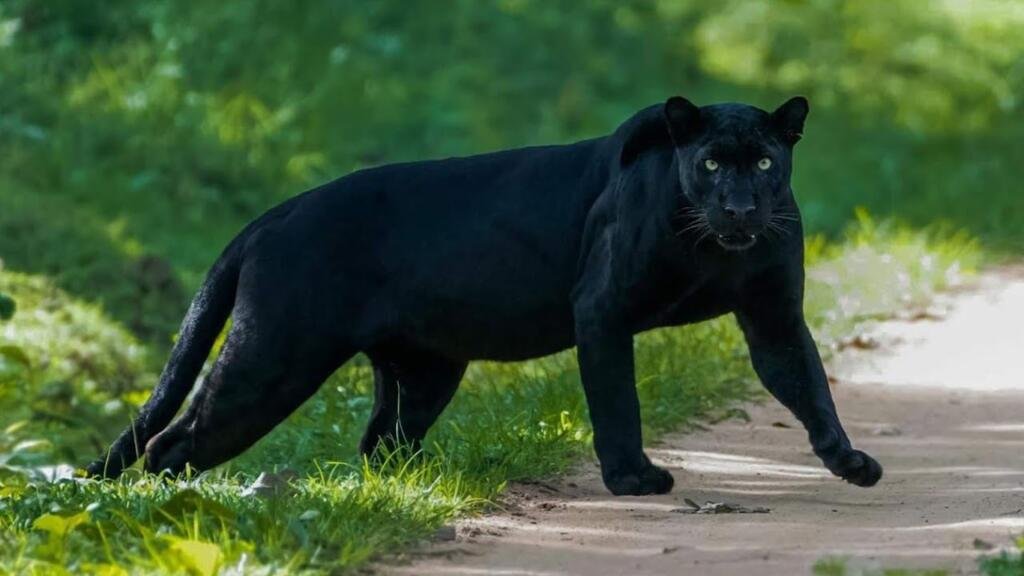
While melanism is often seen in larger cats like leopards and jaguars (famously known as black panthers), the serval’s small size and unique features make the melanistic version particularly intriguing. These black servals have the same slender build and long limbs as their golden relatives, but their dark fur makes them stand out, especially under the cover of night.
Visual Appeal and Adaptation
The melanistic serval’s sleek black coat is not just an aesthetic marvel; it serves a functional purpose. In the wild, camouflage is essential for survival. Servals, being nocturnal hunters, need to blend into their surroundings as they stalk their prey. The black coat of a melanistic serval allows it to remain hidden in the darkness, enabling it to approach potential prey without being detected.
Servals rely heavily on their acute sense of hearing and vision. Their large, rounded ears can detect the slightest rustle of grass or movement from small prey like rodents, birds, and insects. This sensitivity is vital for locating food, especially in the dense, tall grasslands of Africa where they hunt.
The melanistic fur, paired with these heightened senses, provides an exceptional advantage for this rare wildcat, ensuring that it can remain a stealthy predator in its environment. Its dark coat blends seamlessly with the night, creating an air of mystery around this elusive feline.
Section 2: Habitat and Distribution
Where Do Black Servals Live?
The melanistic serval is primarily found in the same habitats as the common serval, which includes the savannas, grasslands, and open woodlands of sub-Saharan Africa. These habitats offer ample food sources like small mammals, birds, and insects, which servals rely on for survival.
Servals are adapted to living in areas with tall grasses or shrubs, as these environments provide them with both cover and hunting opportunities. The black serval, however, tends to be more elusive, and its melanistic traits make it harder to spot in the wild.
Interestingly, melanistic servals are incredibly rare and are often found in isolated pockets within larger serval populations. The genetic mutation that causes melanism is recessive, which means that both parents must carry the gene for a melanistic offspring to be born. This rarity makes sightings of these cats even more special.
Rarity in the Wild
While servals themselves are not considered endangered, the melanistic variety is exceptionally rare. The exact number of melanistic servals in the wild is not known, but they are considered a genetic anomaly. Researchers estimate that fewer than 1% of servals exhibit this unique trait.
One of the reasons melanistic servals are so difficult to find is that they tend to live in areas where visibility is low. Their dark coats blend perfectly with the shadows, making them nearly invisible to anyone trying to spot them. Additionally, servals are solitary and nocturnal animals, further adding to the mystery surrounding the melanistic variant.
Because melanistic servals are not commonly spotted, they are often surrounded by myths and intrigue, with many viewing them as elusive, almost mythical creatures. Their rarity and mysterious nature only add to their allure.
Section 3: Behavior and Hunting Techniques
Nocturnal Hunters
Like all servals, melanistic servals are primarily nocturnal hunters. This means they are most active at night when their prey is also active. Servals are known for their impressive leaping abilities, capable of jumping as high as 12 feet to catch birds in flight or snatch rodents from the ground.
The melanistic serval’s dark coat is perfectly suited for hunting in low-light conditions, allowing it to move undetected as it stalks its prey. The serval’s large ears help it to hear the faintest sounds, such as the rustling of a mouse or the flutter of a bird’s wings. This acute sense of hearing is crucial for hunting in the dense African grasslands, where animals can be hard to spot with the naked eye.
In addition to their ears, servals also rely on their sharp vision, which helps them locate prey in the dark. Their long, slender legs give them the ability to cover large distances as they hunt, and they are known for their swift, graceful movements through tall grass.
Servals’ nocturnal lifestyle means they are mostly solitary animals. They usually hunt alone and are fiercely territorial. Each serval marks its territory with scent markings, ensuring that other servals know their boundaries.
Social Structure and Territory
Servals are solitary creatures by nature, only coming together to mate. Males and females usually do not share the same space outside of mating season. Males typically have larger territories than females, and they will defend their space from other males. Servals communicate through scent marking, vocalizations, and sometimes through visual signals.
During mating season, servals are known to engage in a variety of vocalizations, including growls and meows. These sounds help attract mates and signal readiness for reproduction. After mating, the female goes off on her own to raise her litter of up to three cubs, which are born blind and helpless.
Section 4: The Mystery of Melanism in Wildcats
Melanism and Evolution
Melanism, while rare, has been observed in various species of animals. In the case of the melanistic serval, scientists believe that the condition is caused by a genetic mutation that leads to an overproduction of melanin, the pigment responsible for the dark coloration of the fur.
The question remains whether melanism offers any evolutionary advantages. In larger cats like leopards and jaguars, melanism is believed to provide better camouflage in dense, dark forests or at night. For the serval, the benefits of melanism may be less clear, but it could still offer an advantage in certain environments where cover and stealth are important for survival.
Some researchers suggest that melanistic servals may have adapted to thrive in darker habitats, where their dark coats allow them to blend into the shadows, making them even more effective hunters. However, since melanism is such a rare occurrence, it is difficult to study the long-term evolutionary impact of this trait.
Similarities to Other Big Cats
The melanistic serval shares similarities with other big cats known for their melanistic variations. The black panther, which is actually a melanistic leopard or jaguar, is perhaps the most famous example. Like the black serval, the black panther’s dark coat helps it blend into its environment, particularly in dense forests or at night.
While the serval is a smaller cat compared to leopards and jaguars, its melanistic form shares many of the same physical traits. Both cats have large, rounded ears, which help them hear the slightest movements of prey, and both rely on their stealth and agility to catch food.
Section 5: Conservation and Protection
Threats to the Black Serval
Although servals are not endangered, they face significant threats in the wild. Habitat loss due to human development, agriculture, and poaching are some of the biggest challenges they face. Servals are often hunted for their fur, and some are trapped in snares set for other animals.
Additionally, the melanistic serval, due to its rarity, may face an even greater threat from poaching and the exotic pet trade. Its unique black coat makes it a sought-after animal for collectors, which further adds to the pressures on this rare wildcat.
Conservation Efforts
Conservation efforts for servals focus on protecting their habitats and reducing human-wildlife conflict. Many wildlife organizations are working to preserve African savannas and grasslands, which are crucial for the survival of servals and other native species.
Some initiatives include working with local communities to prevent poaching and educating people on the importance of protecting wild animals. In areas where servals are known to live, conservationists are promoting sustainable land management practices and establishing protected wildlife reserves.
Section 6: Fascinating Facts About the Black Serval
Did You Know?
Servals can leap as high as 12 feet to catch birds in midair!
Their ears can rotate 180 degrees, allowing them to hear sounds from all directions.
Melanistic servals are one of the rarest forms of wildcat, making them a true marvel of nature.
Conclusion: The Allure of the Black Serval
The melanistic serval is a captivating and mysterious creature that embodies the raw beauty and complexity of nature. Its sleek black coat, impressive hunting abilities, and rare status make it one of the most intriguing animals in the wild. While sightings of these cats are rare, they remain an enduring symbol of Africa’s incredible biodiversity.
As we continue to explore the natural world, it is important to remember that animals like the black serval are a reminder of the wonders still waiting to be discovered. By supporting wildlife conservation efforts, we can help ensure that these rare creatures continue to thrive in their natural habitats.
Call to Action:
If you’re fascinated by the black serval and want to help protect rare species like it, consider supporting wildlife conservation organizations and learning more about Africa’s incredible wildlife. Join us in ensuring that these magnificent creatures remain part of our world for generations to come!