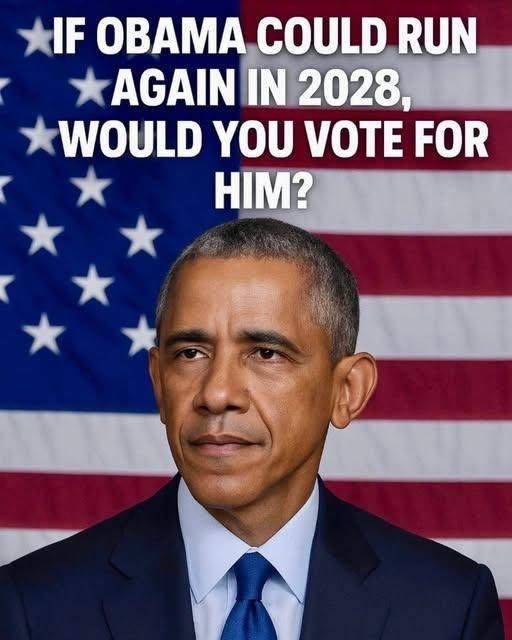
Barack Obama, the 44th President of the United States, is a figure whose legacy continues to shape the political and cultural landscape of the country. While he left office in 2017 after serving two terms, the thought of his potential return to the Oval Office in 2028 has sparked intense discussions across political circles, social media platforms, and among the American public. The question is simple yet profound: If Obama could run again, would you vote for him?
In a nation where political discourse has often been turbulent, divided, and polarized, the mere idea of Obama returning to politics has ignited debates about what kind of leadership America needs. Although the U.S. Constitution limits presidents to two terms in office, the speculative question reveals much about the current political climate. Would Americans prefer the calm, measured leadership of Obama, or are they craving something different in these unprecedented times?
This article will explore Obama’s leadership legacy, the contrasting leadership style of his successor Donald Trump, the hypothetical scenario of Obama’s return in 2028, and what these reflections say about America’s evolving needs in terms of leadership, democracy, and unity. Ultimately, the question remains: what kind of leader does America need today, and can Obama’s message of hope and unity continue to resonate in a deeply divided country?
Barack Obama’s Legacy: A Presidency Defined by Hope, Unity, and Diplomacy
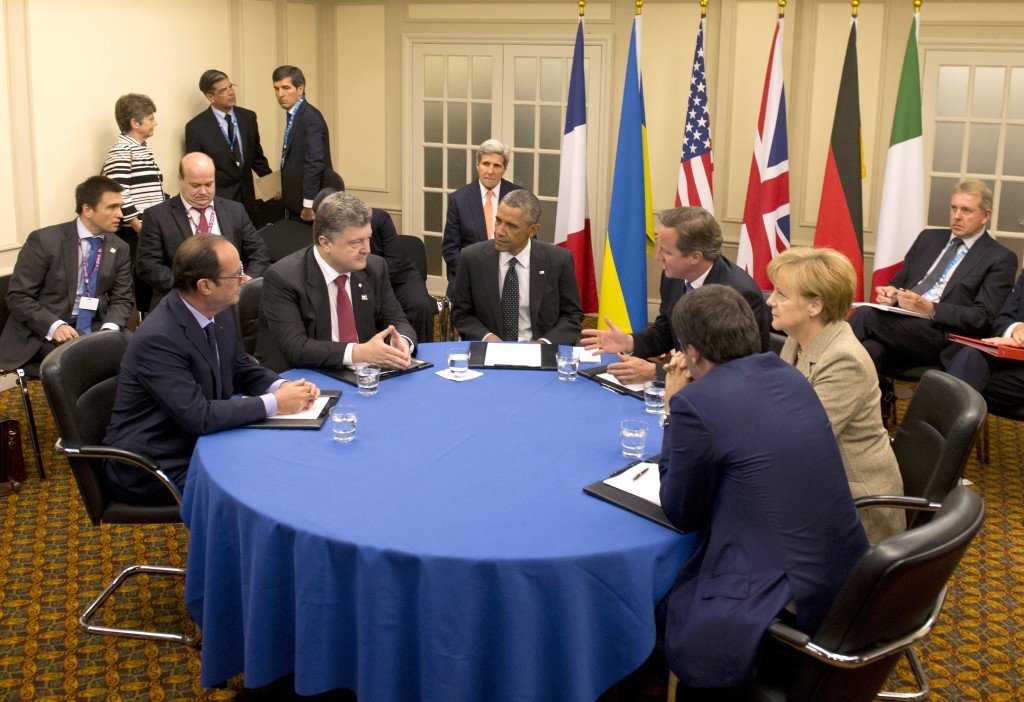
When Barack Obama took office in 2009, he inherited one of the most challenging moments in American history. The country was in the midst of the Great Recession, and his first act as president was to pass the American Recovery and Reinvestment Act, aimed at combating the economic downturn. Over the next eight years, Obama’s presidency was marked by bold moves in healthcare, foreign policy, and social issues, from the landmark passage of the Affordable Care Act (ACA) to the U.S. withdrawal from Iraq, the legalization of same-sex marriage, and the signing of the Paris Agreement on climate change.
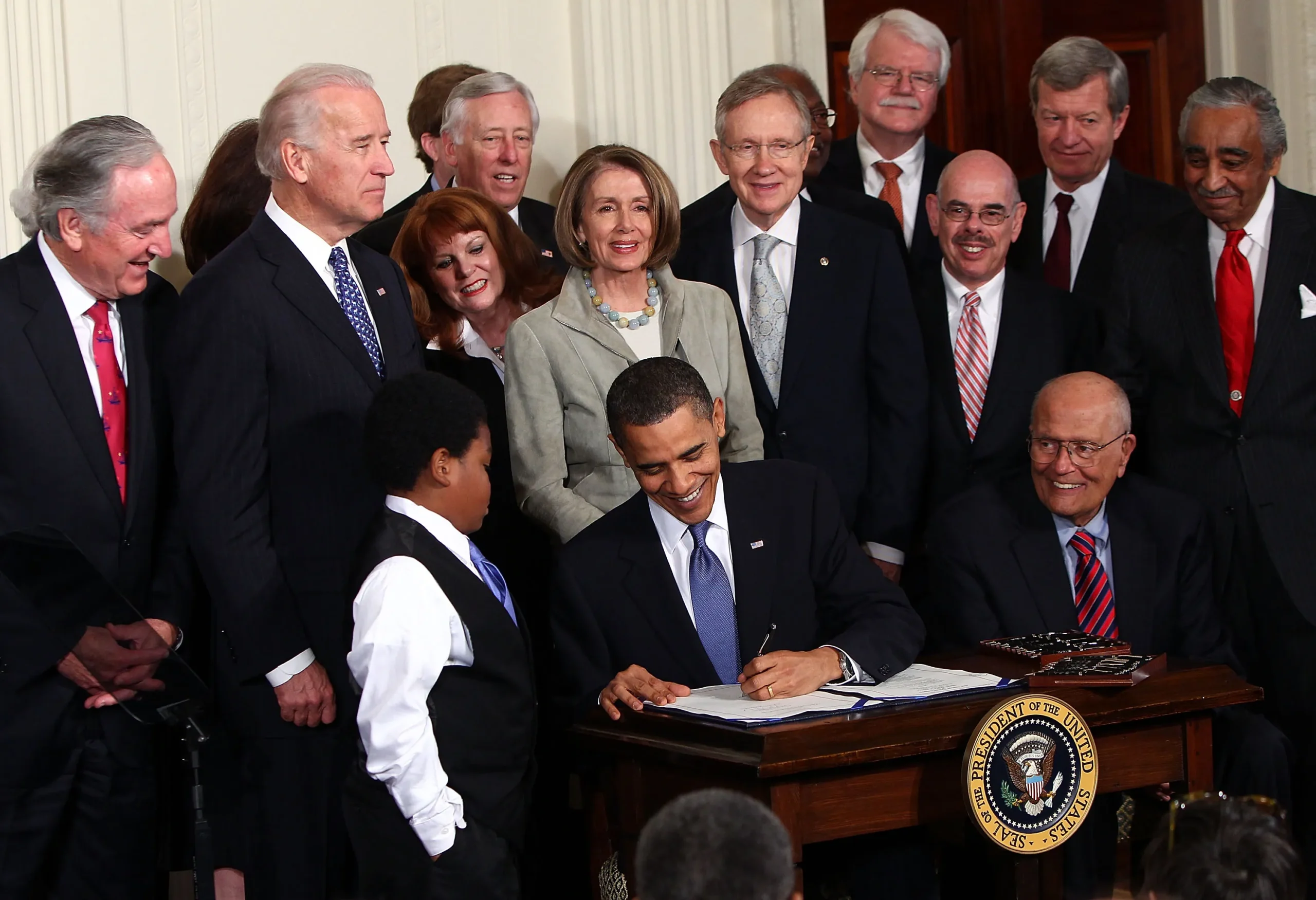
Obama’s calm demeanor, intellectual approach, and careful diplomacy stood in contrast to the chaotic rhetoric and bombastic style that would later characterize the presidency of Donald Trump. His leadership was defined by principles of unity, bipartisanship, and respect for the democratic process. Obama was a symbol of hope for millions of Americans, especially for minority communities and marginalized groups, who saw in him the possibility of social and political progress.
His message was simple yet powerful: Yes We Can. This phrase became a rallying cry for change, echoing his belief that collective action and the pursuit of justice could transform the country. Obama’s charisma and intellect also made him an international symbol of diplomacy and respect. His presidency represented a return to civility and thoughtfulness in political discourse, both at home and abroad. And while his presidency was far from perfect—facing significant opposition from Republicans in Congress and struggles with economic inequality—Obama’s legacy remains one of progress, hope, and inclusivity.
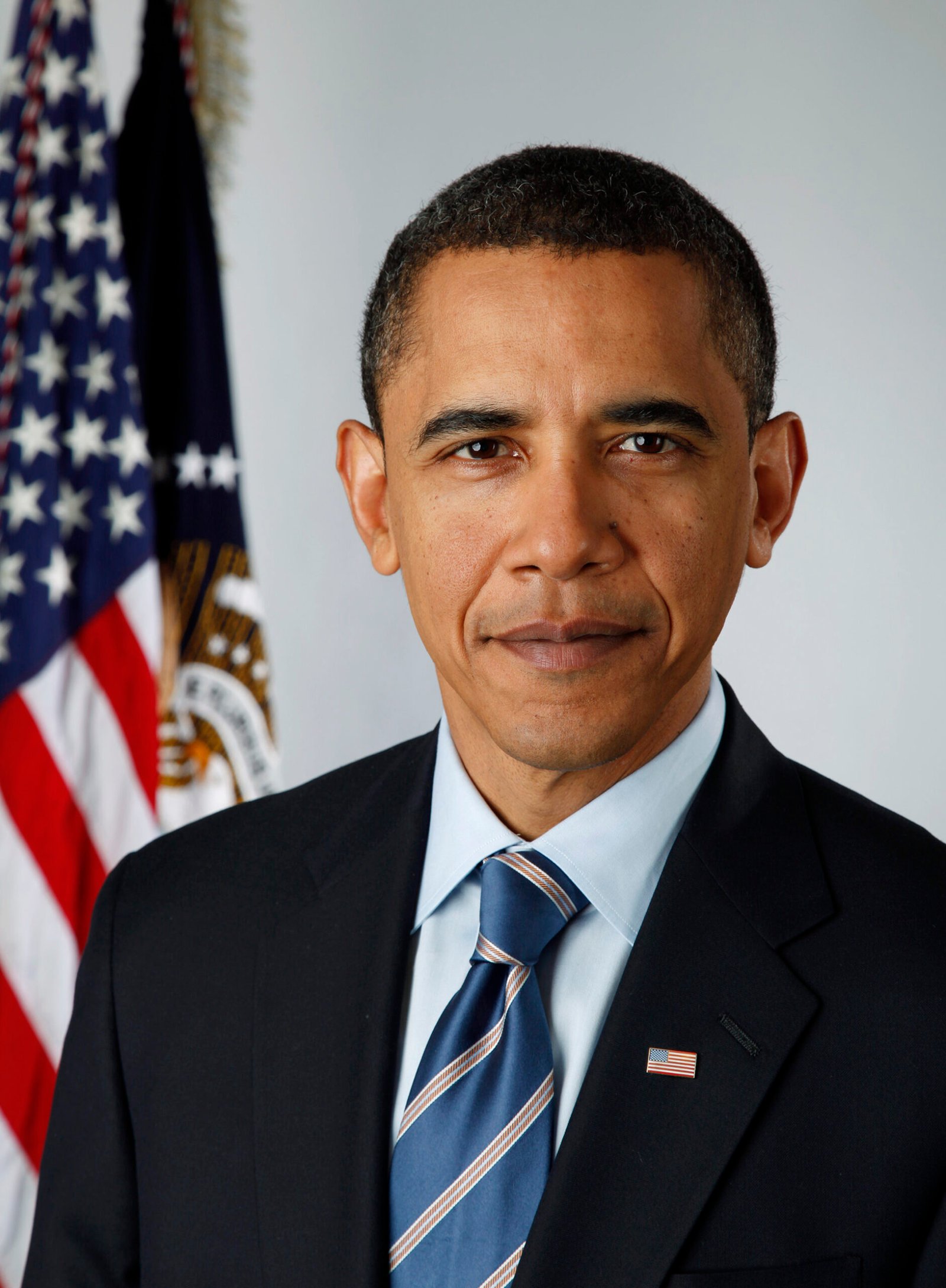
(Photo by Pete Souza)
The Rise of Donald Trump: A Stark Contrast in Leadership Styles
In 2016, the political landscape of America was forever altered when Donald Trump won the presidency in a stunning electoral victory. Trump’s style of leadership could not have been more different from Obama’s. While Obama’s presidency was marked by careful deliberation and measured speeches, Trump’s rise to power was defined by his brash, confrontational rhetoric and unorthodox approach to politics. His appeal lay in his ability to speak directly to a frustrated, working-class America, offering promises of change, disruption, and a return to traditional American values.
Trump’s presidency was defined by chaos and controversy, with regular attacks on the media, political elites, and the “deep state.” His disregard for established norms, his populist rhetoric, and his focus on the economy and national security resonated with millions of Americans who felt left behind by the political establishment. Trump’s unfiltered approach to governance, often characterized by Twitter tirades and controversial statements, created a sharp contrast to Obama’s diplomatic and inclusive leadership.
Despite the sharp divisions Trump’s presidency caused, it cannot be denied that his bold style tapped into a deep vein of discontent in American society. His supporters admired his outsider status and his willingness to challenge the status quo, while his critics condemned his inflammatory rhetoric and divisive policies. Trump’s presidency was an exercise in disruption, often at the expense of political civility and cooperation.
What If Obama Runs Again in 2028? A Hypothetical Return to Power
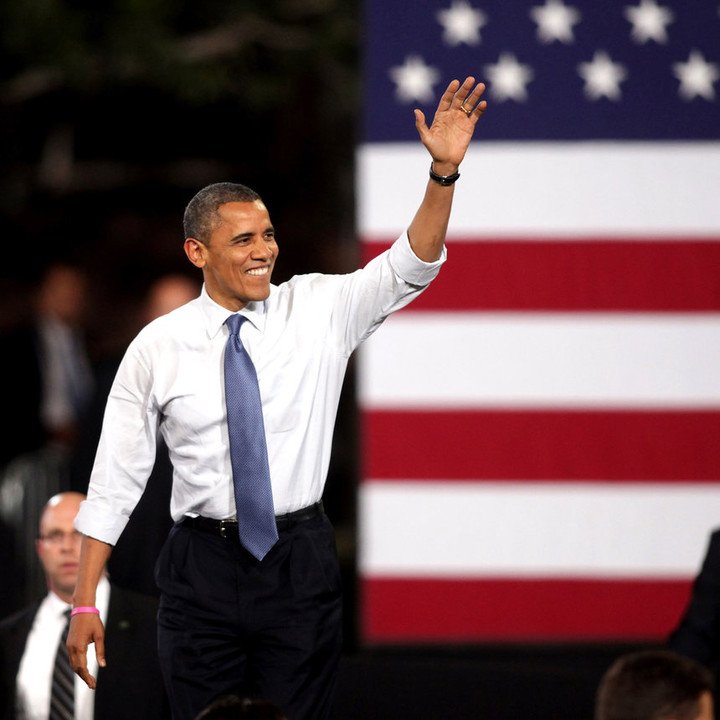
The idea of Barack Obama running for president again in 2028—despite the constitutional limit of two terms—has become a widely debated topic. The notion of a return to Obama’s brand of diplomacy, calm leadership, and national unity is appealing to many who feel disillusioned by the political chaos of the past few years. Obama’s presidency was not without its challenges, but his efforts to heal the nation’s political divisions and advocate for marginalized communities left a lasting impact.
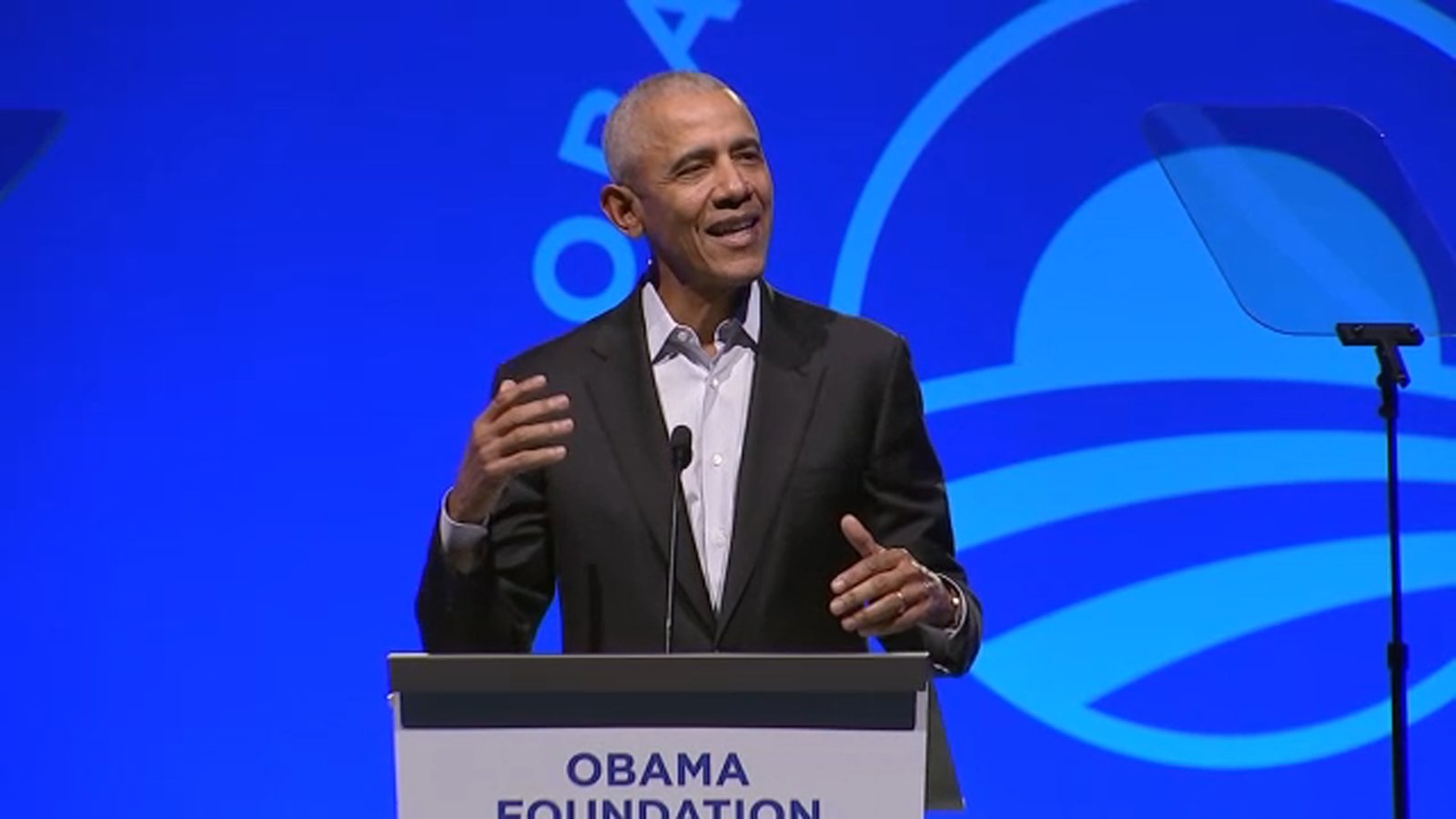
Obama has remained a prominent voice in American politics since leaving office, delivering speeches on issues such as voting rights, racial inequality, and climate change. His influence has only grown since his presidency, as he continues to lead the Obama Foundation, mentor future generations of political leaders, and offer his thoughts on current political issues. His message of hope and unity, especially during times of political upheaval, resonates with many who long for a return to civility in public discourse.
But what would a potential Obama candidacy in 2028 look like? At the age of 66, Obama would still be relatively young compared to past presidential candidates. His policy priorities would likely reflect the changing nature of American society, including climate action, healthcare reform, racial justice, and foreign diplomacy. But the real question is not whether Obama could run—it’s whether Americans, in the face of a rapidly changing political landscape, would be willing to embrace his vision of the future again.
America’s Divided Future: What Leadership Does the Country Need?
The question of whether Obama should run in 2028 is part of a larger conversation about what kind of leadership America needs. The United States is deeply divided, not only in terms of political ideology but also in terms of values, priorities, and vision for the future. The question of who should lead the country moving forward involves much more than just comparing Obama to Trump; it’s about identifying the qualities of leadership that will bring the country together.
In an era of rising populism, economic inequality, and social division, what America needs is not just a leader who can inspire hope—but a leader who can unite the country around shared values. Obama’s presidency was an attempt to bridge divides, but the rise of extremism on both sides of the political spectrum has made unity seem increasingly elusive. Is it possible for any leader, including Obama, to bring together such a fractured nation? And, more importantly, what kind of leadership will be required to heal the wounds that have been deepened by years of political conflict?
The Power of Leadership Beyond Power
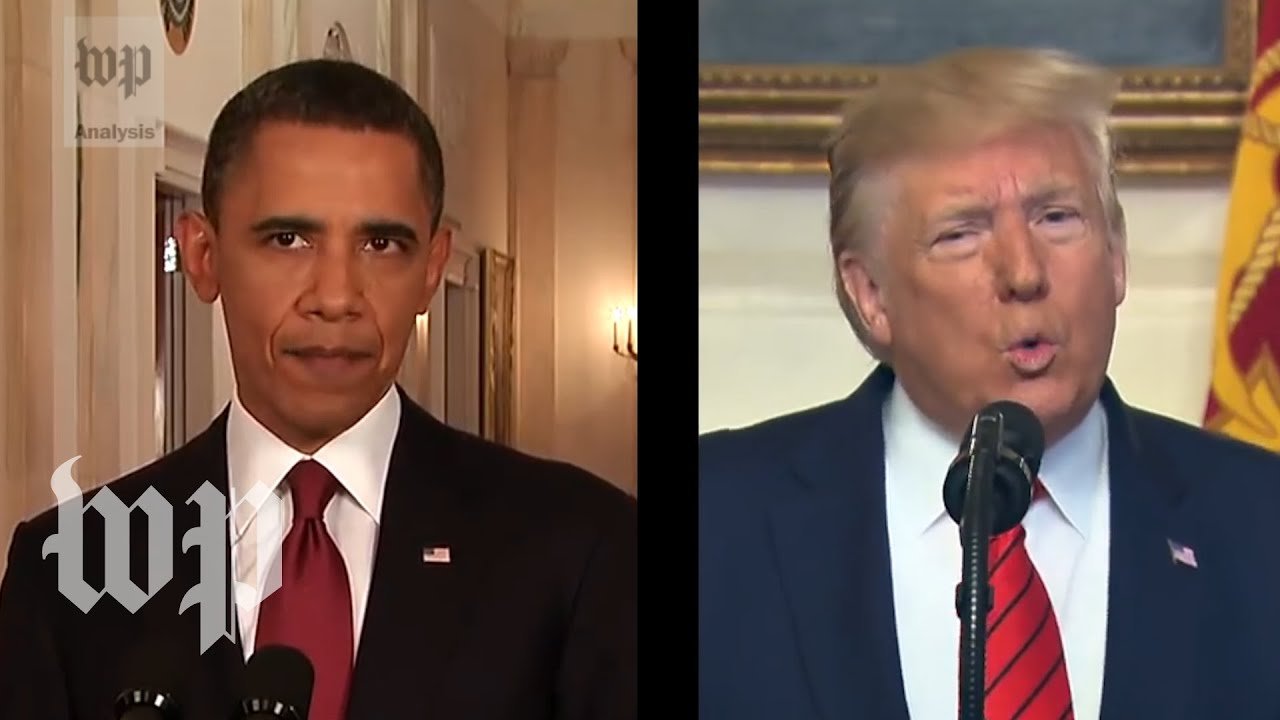
True leadership does not end when a president leaves office. Barack Obama’s influence continues to be felt in American politics, from the ongoing work of the Obama Foundation to his role in advocating for democracy and human rights globally. His leadership, grounded in respect, empathy, and collaboration, remains a beacon for many who believe in the power of civil discourse and collective action.
Obama’s post-presidential career has shown that his impact extends far beyond the political sphere. He has become a mentor to the next generation of political leaders, teaching them about the importance of integrity, humility, and empathy. His influence continues to shape political conversations, from his speeches on racial justice to his focus on fighting climate change. Even if Obama never runs for office again, his leadership will live on in the values he instilled during his presidency and the impact he continues to have on the world.
Conclusion: The Future of American Leadership
The debate about whether Obama should run again in 2028 is more than just a question of political strategy—it is a reflection of the deep questions Americans are asking about their future. After four years of the Trump presidency and ongoing political turmoil, many are wondering whether the nation is ready for a return to Obama’s brand of leadership.
Obama’s presidency was defined by its emphasis on unity, hope, and diplomacy, but the challenges facing America today are more complex than ever. Whether Obama runs or not, his message of hope, inclusion, and compassion remains an important part of the national conversation. As the country faces new challenges, both at home and abroad, the question of what kind of leadership will guide the nation forward remains as important as ever.
In the end, Obama’s legacy is not defined by whether or not he runs for president again—it is defined by the values he instilled in the country and the lasting impact of his leadership. Whether or not America chooses a leader like Obama again, the ideals he championed will continue to shape the future of the nation for years to come.