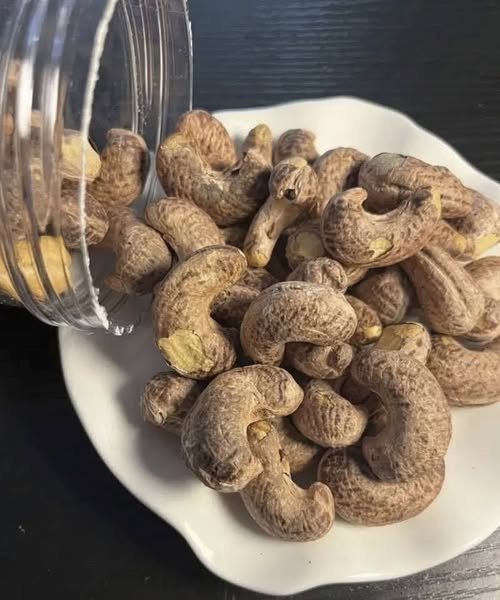
You may have seen alarming headlines claiming that “doctors warn against eating cashews” or that these creamy, buttery nuts are secretly harmful. But what does the evidence actually say?
Let’s separate fact from fear—and explore what cashews truly offer your health, when they might warrant caution, and why balance, not avoidance, is the key.
The Nutritional Power of Cashews
Cashews are far more than a snack—they’re a nutrient-dense whole food packed with compounds that support long-term wellness:
Heart-healthy monounsaturated fats: The same beneficial fats found in olive oil, linked to improved cardiovascular health
Magnesium: Essential for muscle function, nerve signaling, bone strength, and energy production
Copper and zinc: Critical minerals that support immune function, metabolism, and cellular repair
Plant-based protein and fiber: Help promote satiety, stabilize blood sugar, and support digestive health
Research consistently shows that regular nut consumption—including cashews—is associated with meaningful health benefits:
Lower risk of heart disease and stroke
Improved cholesterol profiles, including reduced LDL (“bad”) cholesterol
Better blood sugar regulation and insulin sensitivity
Reduced markers of chronic inflammation
The American Heart Association recommends enjoying 4–5 servings of unsalted nuts per week as part of a heart-healthy dietary pattern. A single serving is about ¼ cup or a small handful.
When Cashews Might Warrant Caution (Rare & Specific Situations)
For the vast majority of people, cashews are a safe and nourishing food. However, certain individuals may need to exercise care:
1. Tree Nut Allergies
Cashews are a common tree nut allergen. Reactions can range from mild (hives, itching) to severe, life-threatening anaphylaxis. If you have a diagnosed tree nut allergy, avoid cashews completely and always read ingredient labels carefully.
2. Digestive Sensitivity in Large Amounts
Cashews contain fermentable fibers that, when consumed in excess, may cause gas, bloating, or discomfort in sensitive individuals—particularly those with irritable bowel syndrome (IBS).
Solution: Stick to moderate portions. A standard serving is about ¼ cup (roughly 18 cashews). Listen to your body and adjust accordingly.
3. Oxalate Content and Kidney Stone Risk
Cashews are moderately high in oxalates, naturally occurring compounds that can contribute to calcium-oxalate kidney stones in susceptible individuals.
If you have a history of oxalate-based kidney stones: Limit cashew intake, stay well-hydrated, and discuss dietary strategies with your healthcare provider.
For most people: Oxalates in cashews pose no concern when eaten as part of a varied diet.
4. The Truth About “Raw” Cashews
Truly raw, unprocessed cashews contain urushiol—the same irritant found in poison ivy. Consuming them in this state can cause serious reactions.
The good news: All cashews sold commercially as “raw” have been steamed or heat-treated to remove urushiol, making them perfectly safe. Never seek out or consume genuinely unprocessed cashews from the tree.
Myths Debunked: What Cashews Don’t Do
Let’s address a few persistent misconceptions:
❌ “Cashews cause weight gain.”
Reality: False. Moderate nut intake is consistently linked to better weight management. The combination of protein, fiber, and healthy fats promotes fullness, which may help reduce overall calorie intake.
❌ “Cashews raise cholesterol.”
Reality: False. Research shows that cashews and other nuts may actually help lower LDL (“bad”) cholesterol while supporting healthy HDL (“good”) cholesterol levels.
❌ “Cashews cause acne.”
Reality: No strong scientific evidence supports this claim. Diet-acne relationships are highly individual, and no single food is a universal trigger. If you suspect a food sensitivity, work with a dermatologist or dietitian to identify patterns.
The Bottom Line: Balance Over Fear
For most people, cashews are a delicious, nutritious addition to a balanced diet—not a hazard to avoid.
The idea that “doctors warn against cashews” is almost always misinformation, taken out of context, or based on isolated cases that don’t apply to the general population. In reality, many physicians and registered dietitians actively encourage patients to include a small handful of unsalted nuts like cashews several times per week.
“Food fear sells clicks—but science supports balance.”
If you have a specific health condition—such as a tree nut allergy, a history of kidney stones, or a digestive disorder—talk to your doctor or a registered dietitian for personalized guidance. But for the average person? Enjoy cashews with confidence. They’re a tasty, versatile, and genuinely health-promoting part of a whole-food diet.
Sprinkle them on salads, blend them into creamy sauces, enjoy them as a mindful snack, or stir them into stir-fries. However you choose to eat them, know that you’re nourishing your body with one of nature’s most thoughtful offerings